Most of us turn on the kitchen tap without giving it a second thought. We fill a glass, rinse vegetables, make a cup of tea, and carry on with the day. Water is such an ordinary part of life that it’s easy to overlook small changes. Then one morning, the water tastes different, white marks appear around the faucet, or the showerhead starts spraying in every direction except the right one. Suddenly, something that seemed simple deserves a closer look.
These everyday signs can sometimes point to problems with your home’s water. Other times, they’re harmless inconveniences caused by naturally occurring minerals. Knowing the difference is important. With a little attention and the right information, homeowners can make sensible decisions about filtration, treatment, and long-term maintenance without spending money on equipment they don’t need.
Why Water Quality Matters More Than You Think
The water entering your home may travel through treatment facilities, storage tanks, distribution pipes, and your own plumbing before reaching the tap. Along the way, its characteristics can vary depending on the source, local geology, and condition of the plumbing system.
Good water quality matters for several reasons. It affects how water tastes and smells, how well soap works, and whether minerals leave deposits on household fixtures. Depending on the source, testing may also be needed to check for contaminants that cannot be identified by sight or smell alone.
Hard water is a common example. It contains higher concentrations of calcium and magnesium, which can create scale on shower doors, kettles, and water heaters. Some people notice that laundry feels rough or that soap leaves a stubborn film behind.
Other households deal with chlorine odors, rusty-looking stains, sediment, or a metallic taste. These symptoms can have different causes, so it’s better not to jump to conclusions. A simple-looking problem may require a straightforward fix, while another could need a more detailed investigation.
Understanding Where Your Household Water Comes From
The source of your water provides useful clues about what you should check.
Municipal water systems generally treat water to meet applicable drinking water standards. Local utilities usually publish water quality reports describing the source and the results of required monitoring. These reports are a helpful starting point, although they don’t necessarily reveal problems that develop inside a property’s plumbing.
Private wells require a different approach. Their water quality depends on local soil and rock formations, nearby land use, well construction, and ongoing maintenance. Rainfall, flooding, and other environmental changes can also affect a well.
For this reason, private well owners should arrange regular laboratory testing for bacteria, nitrates, and other contaminants relevant to their location. Additional tests may be appropriate if the water develops an unusual taste, odor, or appearance.
Even if the water has looked and tasted the same for years, that doesn’t guarantee every aspect of its quality remains unchanged. Some contaminants have no noticeable smell, color, or flavor. Testing provides evidence that your senses simply cannot supply.
What Can Affect Drinking Water at Home?
For many families, drinking water is the first priority when considering a treatment system. Nobody wants to pour a glass of water that tastes unpleasant, and parents naturally want to understand what’s coming out of the kitchen tap.
Different concerns call for different solutions. Activated carbon filters can reduce chlorine taste and odor when the product is designed for that purpose. Reverse osmosis systems can reduce various dissolved substances, including certain salts and metals, depending on their specifications and certified performance.
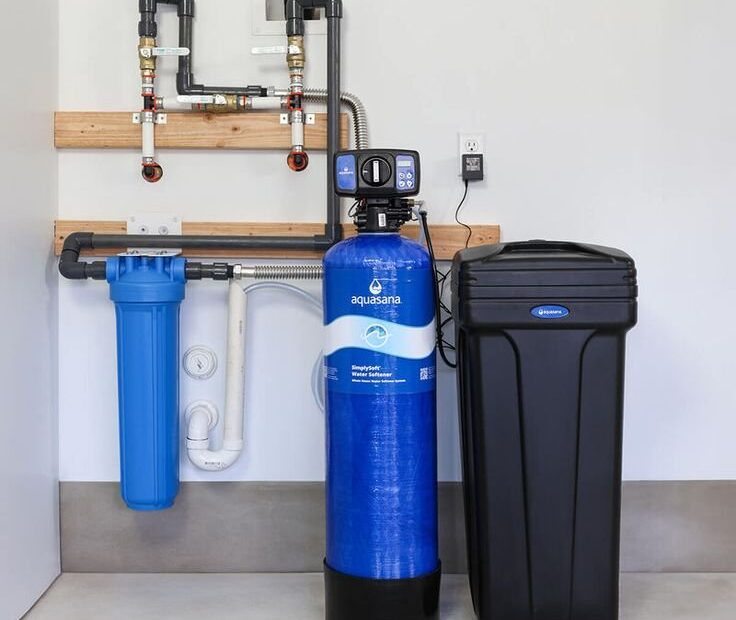
Sediment filters, meanwhile, remove suspended particles such as sand and rust. Water softeners address hardness minerals, helping reduce scale buildup and improve the performance of soaps and detergents.
These technologies aren’t interchangeable. A water softener doesn’t automatically remove bacteria or pesticides, and a basic sediment filter won’t necessarily remove dissolved chemicals. Even a high-quality drinking water filter has limitations.
Before choosing equipment, identify the specific concern and check the manufacturer’s performance claims. Independent certification can help confirm whether a product has been tested for reducing the contaminant you’re concerned about.
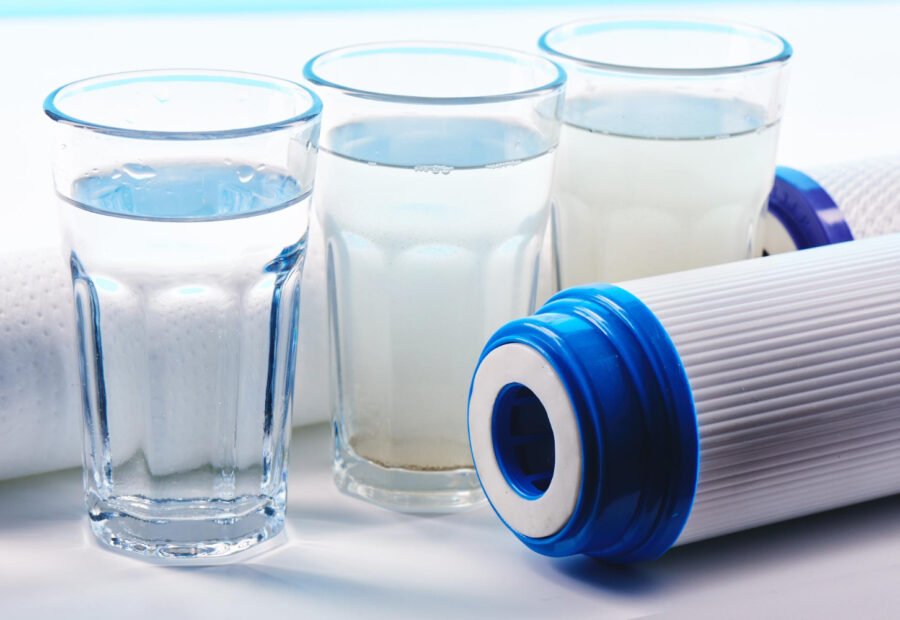
It’s also worth remembering that clear water isn’t necessarily safe water. A glass may look perfectly clean while containing substances that require laboratory analysis to detect.
When Should You Get Your Water Tested?
A water test is useful when you’re buying a treatment system, investigating an unusual change, or checking the condition of a private well. It can also help distinguish between a mineral problem and a concern that requires a different response.
Common reasons to arrange testing include recurring stains, unusual odors, changes in taste, and visible sediment. However, don’t wait for these signs if your water comes from a private well. Routine testing is important because certain contaminants may be present without obvious warning.
The right test depends on your circumstances. Hardness testing measures calcium and magnesium levels. Other laboratory tests can assess pH, iron, nitrates, bacteria, lead, and additional substances when relevant.
If you use municipal water, start with your supplier’s published report and consider testing at the tap if you suspect a plumbing-related issue. Older plumbing may introduce contaminants after the water leaves the treatment plant, so the condition of the building matters too.
For a private well, use a qualified laboratory and follow its instructions for collecting samples. Poor sampling technique can affect results, so it’s worth taking the process seriously.
Choosing a Water Treatment System That Makes Sense
Once you understand your water, selecting treatment equipment becomes much easier. The aim isn’t to buy the biggest system available. It’s to find something that addresses the actual problem and suits your household’s needs.
If hardness is the main issue, a conventional ion-exchange softener may help reduce mineral scale. If chlorine taste is the concern, a suitable carbon filter could be enough. If testing identifies a particular contaminant, choose a treatment system specifically certified or otherwise verified to reduce it.
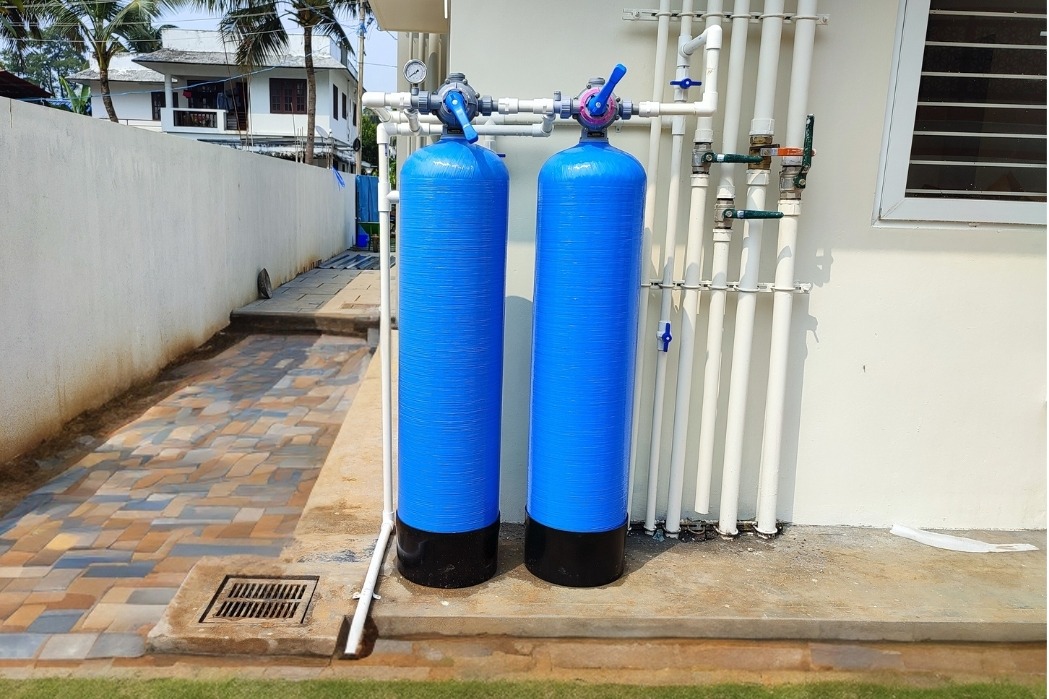
Some homes benefit from more than one technology. A whole-house filter may address certain issues throughout the plumbing, while an under-sink reverse osmosis unit provides additional treatment for kitchen water. The right combination depends on the test results and the intended use.
Budget for maintenance, not just installation. Filters need replacement, membranes have a service life, and softeners may require salt and periodic checks. A system that seems affordable at first can become expensive if replacement parts are difficult to find or service is inconvenient.
Before committing, ask the installer what the equipment removes, what it leaves behind, how often it needs maintenance, and what performance you can realistically expect.
Everyday Habits That Help Protect Water Quality
Treatment equipment is only one part of keeping household water in good condition. Regular plumbing maintenance, clean storage tanks, and appropriate well inspections can also make a difference.
Pay attention to sudden changes in water pressure, appearance, or taste. If water becomes discolored after plumbing work, contact your water supplier or a qualified plumber to determine the cause. Persistent or unexplained changes deserve investigation rather than being covered up with a filter.
Homeowners with private wells should protect the area around the wellhead, maintain proper drainage, and keep potential sources of contamination away from the water supply. Follow local guidance for inspections and testing.
It’s also sensible to keep records of test results and filter replacements. These details make it easier to spot changes over time and help professionals recommend appropriate adjustments.
Making a Confident Decision About Your Water
Water treatment doesn’t need to become a complicated household project. Start with what you know, investigate what you don’t, and avoid assuming that every home needs the same equipment.
Some properties need help with hardness, others need improved taste, and some require treatment for a specific contaminant. Testing helps separate these situations and makes it easier to spend money where it will actually help.
Ultimately, understanding your water is about more than removing spots from glassware or making a cup of coffee taste better. It’s about making informed choices for your home, maintaining the systems you depend on, and knowing when a professional assessment is worthwhile. A little investigation now can save frustration later and give you greater confidence every time you turn on the tap.