Living in the desert has its own kind of beauty. The wide-open skies, quiet evenings, and sunshine are hard to beat. But when summer temperatures climb in northwestern Arizona, keeping your home comfortable becomes more than a convenience. It’s a necessity.
In a place where outdoor heat can linger well into the evening, an air conditioning system often works harder and longer than homeowners might expect. Small issues that seem harmless in spring can become frustrating problems during the hottest weeks of the year. A clogged filter, weak airflow, or poorly sealed window may not seem like a big deal at first, but together they can affect comfort and energy bills.
The good news is that a few practical habits, combined with professional care when needed, can help your cooling system perform more reliably throughout the desert summer.
Understanding the Cooling Needs of Desert Homes
Desert weather creates specific challenges for residential cooling. High outdoor temperatures increase the amount of heat entering a property, especially through roofs, windows, exterior walls, and poorly insulated attic spaces.
Homes with large west-facing windows can become particularly uncomfortable during late afternoon. Even if the air conditioner is running, direct sunlight may continue warming indoor surfaces and furniture.
That’s why cooling performance depends on more than the equipment itself. Insulation, window coverings, ductwork, and the overall design of the home all influence how effectively conditioned air reaches each room.
Homeowners in Fort Mohave, AZ should pay attention to these details before assuming that an air conditioner needs replacing. Sometimes, sealing air leaks, improving attic insulation, or correcting restricted airflow can make a noticeable difference without the expense of installing a new system.
If one bedroom consistently feels warmer than the rest of the house, consider checking the air vents and replacing a dirty filter first. When the problem continues, a qualified HVAC technician can inspect the ductwork, thermostat, and equipment to identify the underlying cause.
Choosing an Air Conditioner That Fits Your Home
An air conditioner should be selected according to the home’s cooling requirements, not simply its square footage or the size of the system previously installed.
A professional load calculation considers factors such as insulation, window placement, ceiling height, local climate, and the number of people regularly occupying the home. These details help determine the appropriate equipment capacity.
An oversized system may cool the air quickly but shut off before removing enough humidity. An undersized unit may struggle to maintain comfortable temperatures during extreme heat and run for extended periods.
Both situations can lead to unnecessary frustration.
Central air conditioning can work well in homes with suitable ductwork, while ductless mini-split systems may be useful for room additions, garages converted into living spaces, or areas that never seem to cool evenly.
Efficiency ratings are also worth comparing. Although a more efficient unit may cost more upfront, its potential long-term savings depend on electricity rates, system usage, installation quality, and maintenance.
Ask your contractor to explain the options in plain language. A good recommendation should consider your budget, comfort expectations, and the practical needs of your household rather than focusing on equipment price alone.
Why Regular Maintenance Makes a Difference
When summer arrives, most homeowners want their air conditioner to work without giving it much thought. Unfortunately, cooling systems rarely choose convenient moments to develop problems.
Dust accumulation, clogged filters, blocked condensate drains, and worn electrical components can gradually affect performance. Regular inspections help identify developing issues before they cause a complete loss of cooling.
Start with the air filter. Check it according to the manufacturer’s guidance, especially during periods of heavy use, and replace it when necessary. A dirty filter restricts airflow and can make the equipment work harder than it should.
Keep outdoor condenser units clear of leaves, debris, and other obstructions. Good airflow around the equipment is essential for releasing heat effectively. Before cleaning anything, switch off the system as directed by the manufacturer, and avoid opening electrical compartments or handling refrigerant components yourself.
Professional servicing can include checking electrical connections, inspecting coils, testing system controls, and evaluating airflow. The exact tasks depend on the equipment and its condition.
Routine maintenance cannot prevent every breakdown, but it can help reduce avoidable problems and provide a clearer picture of the system’s overall health.
When to Call an HVAC Professional
Some warning signs are easy to overlook because the air conditioner still produces cool air. Perhaps the system runs longer than usual, the airflow feels weaker, or certain rooms remain warm even after the thermostat setting is lowered.
Unusual buzzing, grinding, or persistent rattling sounds also deserve attention. Water collecting near indoor equipment may indicate a drainage issue, while repeated cycling can point to a control, airflow, or sizing problem.
If you notice these changes, arranging an inspection early may prevent a minor fault from becoming a more expensive repair.
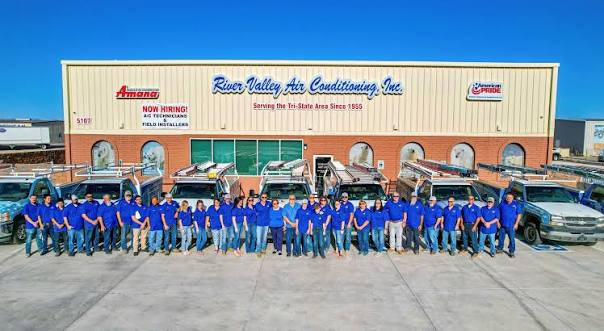
Homeowners looking for River Valley Air Conditioning services should look for a provider that explains the diagnosis clearly, discusses repair options, and provides an estimate before beginning work. Ask about licensing where required, insurance, warranties, and experience with your particular type of system.
It is also sensible to confirm whether diagnostic fees, replacement parts, and after-hours appointments are charged separately. Clear expectations make the process less stressful, especially when outdoor temperatures are already uncomfortable.
If the system stops cooling during extreme heat, don’t keep lowering the thermostat in the hope that it will force the unit to work. Check the thermostat settings and filter, and look for an obvious tripped breaker only if it is safe to do so. If a breaker trips repeatedly, leave it off and contact a qualified professional.
Simple Ways to Keep Your Home Cooler
Your air conditioner doesn’t have to handle every bit of desert heat on its own. A few changes around the house can reduce the cooling load and improve everyday comfort.
Close blinds or curtains on sun-facing windows during the hottest part of the day. Exterior shading can be especially helpful because it blocks sunlight before it heats the glass. Weatherstripping around doors and windows may also help prevent hot outdoor air from entering.
Use ceiling fans to improve comfort while people are in the room. Fans cool people through air movement rather than lowering the room’s actual temperature, so switch them off when nobody is there.
A programmable or smart thermostat can help coordinate cooling with your daily routine. You may be able to use a slightly higher setting when the house is empty and return to your preferred temperature before everyone arrives home.
Avoid setting the thermostat extremely low after returning from a hot day. It won’t make most systems cool the home faster, and it may simply encourage longer operation.
Finally, pay attention to your energy bills. A sudden increase may reflect unusually hot weather, but it can also signal changes in system performance or household usage.
Repair or Replace? Making a Sensible Decision
Even a well-maintained air conditioner eventually reaches the point where replacement becomes worth considering. Frequent repairs, inconsistent cooling, increasing operating costs, and the age of the equipment can all influence that decision.
There isn’t one universal age at which every system should be replaced. Usage, installation quality, maintenance history, and the availability of replacement parts all matter.
Ask a technician to compare the likely cost of continued repairs with the benefits of installing a newer system. If replacement makes sense, take the opportunity to review ductwork, insulation, equipment sizing, and thermostat placement.
Installing new equipment without addressing existing airflow or insulation problems may leave the home uncomfortable despite the investment.
Enjoying a More Comfortable Desert Home
Desert living doesn’t have to mean spending every summer afternoon worrying about indoor temperatures. With suitable equipment, sensible energy habits, and timely professional care, your home can remain a welcome retreat from the heat.
Start with the basics: check your filters, keep outdoor equipment clear, seal obvious drafts, and pay attention when cooling performance changes. When a problem persists, get it checked rather than waiting for the hottest day of the season.
A little preparation goes a long way. More consistent comfort, fewer avoidable surprises, and a better understanding of your cooling system can make desert summers considerably easier to manage.