Blog

  • Why Quality Printing and Custom Wrap Films Matter in Modern Vehicle Branding

    Why Quality Printing and Custom Wrap Films Matter in Modern Vehicle Branding

    A vehicle can be many things at once: a way to get from one place to another, a reflection of personal taste, or a moving advertisement that reaches people throughout the day. For businesses, that last role can be surprisingly valuable. A well-designed vehicle wrap turns an ordinary van, truck, or company car into a recognizable part of the brand. But behind every impressive wrap is a combination of thoughtful design, reliable materials, and printing that can handle the demands of real life.

    The process is more involved than simply choosing a color and putting a logo on a vehicle. From selecting the right film to preparing artwork and ensuring accurate installation, each decision affects the final result. When these details are handled properly, vehicle graphics can look professional, remain readable, and support a business for years.

    The Role of Printing in Vehicle Wrap Design

    Vehicle wraps often include more than a solid color. Logos, photographs, illustrations, contact details, patterns, and promotional messages may all need to be reproduced across curved and irregular surfaces. That makes print quality especially important.

    Unlike a flat poster, a vehicle graphic has to work around doors, handles, windows, panel gaps, and body contours. A small design flaw that goes unnoticed on a computer screen can become obvious once the artwork is stretched across a large surface. Colors need to remain consistent, text should be legible from a reasonable distance, and images must retain enough detail to look sharp.

    This is where high-performance printing becomes valuable. Advanced printing equipment and carefully managed production processes can help create detailed, vibrant graphics that are suitable for demanding applications. Good printing isn’t only about making colors look bright. It also involves choosing appropriate inks, controlling resolution, managing color profiles, and producing artwork that works with the selected wrap material.

    A strong print begins with a strong file. Low-resolution images, poorly prepared logos, and incorrect dimensions can limit the result no matter how capable the printer is. Businesses should provide vector logos whenever possible and review full-scale proofs before production.

    Choosing the Right Wrap Film

    The film itself is just as important as the printed design. A wrap may look beautiful on installation day, but it also needs to cope with sunlight, changing temperatures, road dust, rain, and regular cleaning. The wrong material can lead to fading, cracking, bubbling, or lifting edges.

    Different projects call for different types of films. Cast vinyl is commonly preferred for complex vehicle surfaces because it can conform more effectively to curves and contours. Calendared films may be suitable for certain flatter applications or shorter-term projects, depending on the product and conditions.

    When comparing premium wrap films, it’s worth looking beyond the initial appearance. Consider the film’s conformability, adhesive technology, expected outdoor durability, finish options, and manufacturer warranty. A reputable material may cost more upfront, but the added reliability can make a difference over the life of the wrap.

    Finish also changes the personality of a vehicle. Gloss films create a polished, reflective appearance. Matte finishes offer a quieter, modern look, while satin sits somewhere between the two. Metallic and textured options can add depth, but they may require more careful maintenance and installation.

    Color Accuracy Is More Complicated Than It Looks

    Color seems simple until you try to reproduce the same shade across different materials. A brand’s signature blue, red, or green needs to look consistent whether it appears on a website, business card, storefront, or vehicle. Yet screens, printers, lighting conditions, and film surfaces can all affect how color is perceived.

    This is why custom color matching can be an important part of professional wrap production. It involves adjusting the print or selecting a suitable film color to achieve a closer visual relationship with an existing brand standard or a specific design reference.

    Perfect matching isn’t always possible because different surfaces reflect light differently. A printed film may not look exactly like painted metal, even when the color values are carefully adjusted. The goal is to achieve a consistent and visually convincing result under realistic viewing conditions.

    Businesses with established brand guidelines should share their approved color references with the wrap provider. If possible, reviewing physical samples is better than relying only on a digital preview. A sample viewed outdoors or under the lighting where the vehicle will normally be seen can reveal differences that a monitor hides.

    Designing Graphics That Work on Moving Vehicles

    A vehicle wrap has only a few seconds to communicate. People may see it while walking past, waiting at a traffic signal, or driving behind it. That means the design needs to be clear without becoming boring.

    A common mistake is trying to fit too much information onto the vehicle. Long paragraphs, tiny phone numbers, multiple slogans, and several competing images can make the design difficult to understand. A better approach is to establish a clear visual hierarchy.

    The company name or logo should be easy to identify. The main service or message should be brief. Contact information should be readable, but it doesn’t need to dominate the entire design. Strong contrast, generous spacing, and a limited color palette often make a greater impact than excessive decoration.

    The shape of the vehicle matters, too. A design created for a box truck may not translate directly to a curved sports car or a compact delivery van. Important text should avoid areas that may be interrupted by handles, hinges, wheel arches, or panel seams.

    Installation Is Where the Design Becomes Real

    Even excellent artwork and high-quality film can produce a poor result if installation is rushed. Before wrapping begins, the vehicle should be cleaned thoroughly and inspected for dents, rust, peeling paint, or previous repairs. These conditions can affect adhesion and may become more visible under the film.

    Experienced installers understand how to position graphics across panels and manage difficult contours. They also know where seams can be placed discreetly and how much the material can be stretched without distorting the design.

    Temperature and workspace conditions matter as well. Dust, moisture, and extreme temperatures can complicate the application process. A clean, controlled environment gives the installer a better chance of achieving smooth coverage and properly finished edges.

    For businesses, it’s worth asking about the installer’s portfolio, preparation process, warranty terms, and aftercare recommendations. A professional finish is not just about how the vehicle looks from a distance. Edges, corners, seams, and small details often reveal the quality of the work.

    Maintaining the Wrap After Installation

    A vehicle wrap needs care, although maintenance is usually straightforward when the correct methods are followed. Regular gentle washing helps remove dirt and road grime before they build up. Harsh chemicals, abrasive brushes, and overly aggressive pressure washing can damage the film or weaken its edges.

    Whenever possible, follow the material manufacturer’s cleaning recommendations. Parking in a garage or shaded area can also help reduce prolonged exposure to intense sunlight. If a section begins to lift or show damage, addressing it early may prevent the problem from spreading.

    It’s also important to understand that wraps have a service life. Durability depends on the film, climate, exposure, vehicle use, and maintenance habits. No wrap remains perfect forever, but proper care can help preserve its appearance and value.

    A Smart Investment in Brand Visibility

    Vehicle graphics are often one of the most visible forms of local advertising a business can use. A branded vehicle travels through neighborhoods, visits customer locations, and creates repeated exposure without requiring a separate advertising placement every time it moves.

    The best results come from treating the wrap as both a design project and a practical investment. High-quality printing helps bring the artwork to life. Suitable film supports durability. Accurate color and thoughtful layout strengthen brand recognition. Professional installation ties everything together.

    In the end, a successful wrap doesn’t need to shout to be effective. It needs to be clear, well-made, and consistent with the business it represents. When those elements come together, even a simple vehicle can become a memorable part of a company’s everyday presence.

  • How Advanced Water Treatment Can Improve the Quality of Everyday Water

    How Advanced Water Treatment Can Improve the Quality of Everyday Water

    Water is one of those things most people only notice when it stops behaving the way they expect. A glass of tap water tastes strange. The shower leaves a film on the tiles. The kettle develops a chalky layer, or the water looks slightly cloudy after sitting in a glass. These problems may seem small, but they can affect how comfortable and confident you feel about the water used throughout your home.

    Fortunately, modern water treatment offers more options than ever. From whole-house filtration to targeted drinking-water systems, homeowners can now choose solutions based on the actual condition of their water rather than relying on guesswork. The key is understanding what the water needs and selecting a system that addresses those concerns without creating unnecessary expense or maintenance.

    Why Water Quality Can Vary

    Water quality depends on several factors, including the original water source, treatment at the municipal level, plumbing infrastructure, storage tanks, and the condition of pipes inside a property. Even if water leaves a treatment facility in good condition, it may pick up sediment, metallic tastes, or other unwanted substances while travelling through older plumbing.

    Private wells can present a different set of challenges. Groundwater may contain naturally occurring minerals, iron, manganese, sulfur compounds, or other substances that affect its smell, appearance, or usability. Seasonal changes can also influence water quality, especially in areas that experience heavy rainfall, flooding, or drought.

    This is why a water test is such a useful starting point. Instead of buying a system based on a general concern, testing helps identify the specific substances that need attention. It also prevents homeowners from paying for technology that may not be necessary.

    Understanding Advanced Filtration Systems

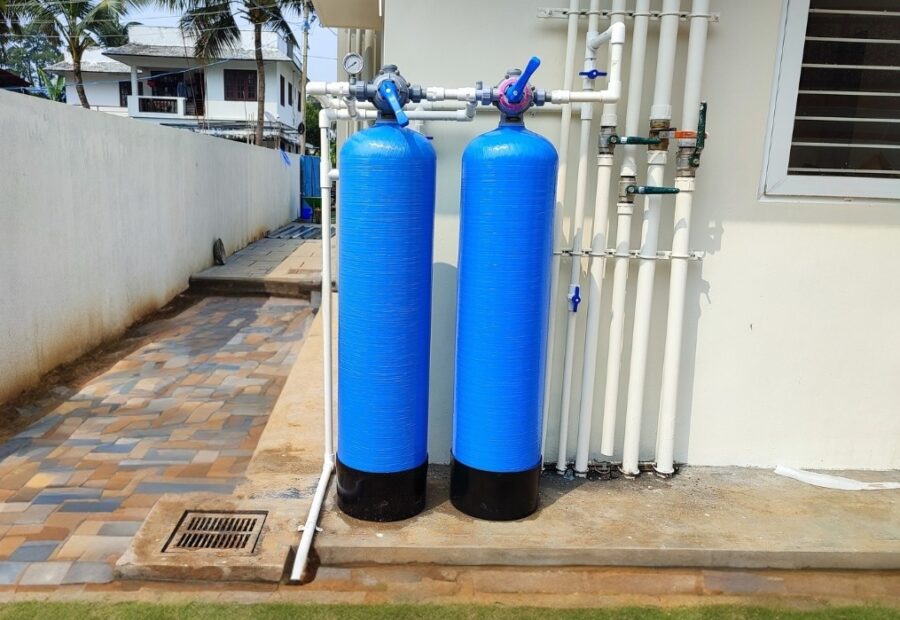
    Modern advanced filtration systems are designed to address different water-quality concerns through a combination of treatment methods. Depending on the model, a system may include sediment filtration, activated carbon, ultraviolet treatment, membrane filtration, or specialized media designed to reduce particular contaminants.

    Sediment filters are often used to capture dirt, sand, rust, and other suspended particles. Activated carbon filters can help reduce chlorine, unpleasant odors, and certain organic compounds that affect taste. Ultraviolet systems are commonly used as a disinfection step, especially in homes that rely on well water, although UV treatment does not remove minerals or physical particles.

    Some systems combine multiple stages to provide broader treatment. For example, a whole-house unit might first remove sediment, then improve taste and odor, and finally provide additional protection against specific biological concerns. The exact combination should always be based on water-test results and manufacturer specifications.

    A system with more stages is not automatically better. More components can mean more replacement filters, higher costs, and additional maintenance. What matters is whether each stage serves a useful purpose.

    The Connection Between Water Taste and Clarity

    Many homeowners first become interested in treatment because of water taste and clarity. Water that looks cloudy, smells like chlorine, or leaves a metallic aftertaste may discourage people from drinking enough throughout the day. Sometimes the issue is harmless but unpleasant; in other cases, it may point to a problem that deserves professional attention.

    Cloudiness can have several causes. Tiny air bubbles may make water appear milky for a short time, while sediment or mineral particles can create more persistent cloudiness. A chlorine taste may be associated with municipal disinfection, whereas a rotten-egg smell may indicate hydrogen sulfide in certain well-water supplies.

    Carbon filtration is often useful for improving taste and odor, but it is important to understand its limits. A carbon filter may not reduce dissolved minerals, hardness, nitrates, or every type of chemical contaminant. Likewise, a clear glass of water is not necessarily proof that the water is free from harmful substances. Appearance and safety are related, but they are not the same thing.

    If a taste or odor appears suddenly, it is wise to investigate rather than simply cover it up with a filter. Changes in water quality can sometimes be connected to plumbing work, supply interruptions, or equipment problems.

    Whole-House Filtration Versus Point-of-Use Treatment

    One of the biggest decisions is whether to treat water throughout the home or focus only on drinking and cooking water.

    Whole-house filtration treats water as it enters the property. This means filtered water may be available at showers, bathroom sinks, laundry connections, and kitchen taps. It can be a practical choice when sediment, chlorine, or other concerns affect the entire water supply.

    Point-of-use systems are installed at a specific location, usually under the kitchen sink or attached to a dedicated drinking-water tap. They are often more affordable and can be ideal when the main priority is improving water used for drinking, cooking, and making beverages.

    Neither approach is right for every household. Whole-house systems may require more space, plumbing changes, and ongoing investment. Point-of-use systems treat a smaller volume of water and may not address concerns affecting bathing or appliances. The decision should depend on the problem, household size, water usage, and available budget.

    Why a Personalized Consultation Helps

    Water treatment can become confusing quickly. There are filters, softeners, membranes, UV units, mineral cartridges, and combination systems, all making slightly different claims. A personalized consultation can make the process easier by connecting the equipment to the actual needs of the property.

    During a consultation, a water professional may review the water source, discuss visible or noticeable problems, examine existing plumbing, and recommend appropriate testing. They can also explain installation requirements, maintenance schedules, expected operating costs, and the limitations of each treatment method.

    This conversation is particularly useful for homeowners who are unsure whether they need a complete system or a smaller solution. A professional should be willing to explain why a particular technology is recommended instead of simply promoting the most expensive package.

    Ask practical questions. How often will filters need to be changed? Does the system require electricity or a drain connection? What happens if water pressure drops? Are replacement parts readily available? Clear answers are a good sign that the recommendation is based on long-term use rather than a quick sale.

    Maintenance Should Be Part of the Plan

    Even the best water treatment system needs attention. Filters gradually become saturated, UV lamps may lose effectiveness, and membranes can require replacement. Ignoring maintenance may reduce performance and, in some cases, create new water-quality concerns.

    Keep track of filter-change dates and follow the manufacturer’s instructions. If the water begins to taste different, pressure decreases, or unusual odors return, the system may need servicing. Homes with private wells should also follow a regular testing schedule, especially after flooding, repairs, or changes in water appearance.

    Maintenance costs should be considered before installation. A system that seems affordable at first may become expensive if its cartridges are difficult to find or require frequent replacement.

    Making a Sensible Long-Term Choice

    Improving household water quality is less about buying the most advanced equipment and more about choosing the right treatment for the right reason. Start with a water test, identify the concerns that matter most, and compare systems based on performance, certifications, maintenance, and total cost of ownership.

    For one home, a carbon filter may be enough to improve taste and odor. Another may need sediment removal, water softening, disinfection, or a multi-stage filtration setup. The best solution is the one that fits the water source and the people using it.

    Clean, dependable water should feel ordinary—in the best possible way. With informed planning and proper maintenance, a suitable treatment system can make drinking, cooking, bathing, and daily household tasks more pleasant. It’s not about chasing perfection. It’s about making sure the water you rely on works well for your home and your life.

  • What to Look for When Hiring a House Removal Company in the UK

    What to Look for When Hiring a House Removal Company in the UK

    There’s a particular kind of dread that sets in a few weeks before a move — the moment you realise how much needs organising beyond just “pack boxes, hire van, arrive at new house.” Removal companies vary wildly in price, service quality, and reliability, and picking the wrong one can turn moving day into a genuinely miserable experience. Picking the right one, on the other hand, can make the whole process feel almost manageable.

    This guide covers what actually matters when comparing removal firms, how quotes work, and the small details that tend to catch people out.

    Why the Removal Company You Choose Matters More Than People Think

    It’s tempting to treat removal firms as interchangeable — a van, a couple of movers, done. But the reality is that service quality varies enormously between companies, even within the same city. Some crews handle furniture with real care and communicate clearly about timing; others rush through the job and leave you dealing with scuffed walls or a wonky wardrobe door.

    Professional Removals Brighton companies, for example, often deal with a particular mix of challenges: steep hills, narrow Regency-era streets, and properties with limited parking near the seafront. A firm with genuine local experience will have already worked out how to navigate these issues efficiently, rather than losing an hour figuring out where to park the van.

    The difference between a good and mediocre removal experience usually comes down to preparation, communication, and how the company handles the inevitable small hiccups that crop up on moving day.

    Types of Removal Services Available

    Not every move needs the same level of service, and understanding the options helps you avoid overpaying — or underpreparing.

    Man and Van

    This is the most basic option: a driver and vehicle to transport your belongings, with you handling all the packing and often the loading too. It suits smaller moves, like a one-bedroom flat with minimal furniture, and tends to be the most budget-friendly choice.

    Full-Service Removals

    Here, the company handles everything — packing, loading, transport, unloading, and sometimes unpacking at the other end. This option costs more but saves considerable time and physical effort, which matters if you’re juggling work commitments or have limited mobility.

    Part-Load or Shared Removals

    For smaller loads travelling longer distances, some companies offer part-load services where your items share van space with another customer’s belongings. It’s a cost-effective option, though it usually means less flexibility around exact timing.

    Specialist Removals

    Certain items — pianos, antiques, artwork, or expensive electronics — sometimes require specialist handling and additional insurance. If you own anything falling into this category, it’s worth mentioning it upfront rather than after the quote’s already been agreed.

    How Removal Quotes Are Usually Calculated

    Quotes aren’t pulled from thin air, even though the range between companies can feel baffling. The main variables include:

    • Volume of belongings – Larger homes with more furniture take longer to pack and load.
    • Distance between locations – Longer journeys mean more fuel, time, and sometimes overnight stays for the crew.
    • Property access – Stairs, lack of a lift, narrow doorways, or restricted parking can all add time.
    • Packing requirements – Full packing services cost more than self-packing with transport only.
    • Timing – Weekends, month-end dates, and school holidays tend to be busier and pricier.

    Asking for an itemised quote rather than a single lump figure makes it much easier to compare companies fairly, since you can see exactly what you’re paying for.

    Questions Worth Asking Before You Book

    A short conversation before committing can save real headaches later. Worth asking:

    1. What’s included in the quoted price, and what counts as an extra?
    2. How is goods-in-transit insurance structured, and is there an excess?
    3. What happens if the move takes longer than estimated?
    4. Do they provide packing materials, and are these included or charged separately?
    5. What’s their policy if something gets damaged during the move?

    Companies confident in their service tend to answer these clearly and without hesitation. Vague or evasive answers are usually a sign to keep looking.

    Local Considerations Across Different Areas

    Removal logistics shift depending on where you’re moving from and to. Areas with a lot of period housing often mean narrower staircases and smaller doorframes, which can slow down moving large furniture. Areas with high-density housing or restricted parking may require permits booked in advance for the removal van.

    For a move involving Removals Chelsea UK services, this often means dealing with residential parking permits, narrow mews streets, and period properties with original — and sometimes delicate — staircases and banisters. A company experienced in this kind of environment will typically plan around these constraints rather than treating every job the same way, which reduces the risk of delays or accidental damage.

    Common Mistakes to Avoid When Booking Movers

    • Leaving it too late. Good removal companies get booked up quickly, especially for weekend and end-of-month slots.
    • Not checking insurance details. Assuming full coverage without confirming it can lead to disappointment if something breaks.
    • Underestimating time needed. Larger properties or difficult access points often take longer than expected.
    • Forgetting to declutter first. Paying to move items you don’t actually want anymore is money wasted.
    • Ignoring reviews. A quick search of recent customer feedback often reveals patterns a sales call won’t.

    Practical Tips for a Smoother Moving Day

    • Pack a clearly labelled essentials box with toiletries, chargers, and any documents you’ll need immediately.
    • Photograph valuable or fragile items before they’re packed away, in case of an insurance claim.
    • Confirm parking arrangements at both properties in advance, particularly in busy residential areas.
    • Keep small valuables — jewellery, important paperwork, cash — with you rather than in the removal van.
    • Do a final check of lofts, sheds, and garages before the van departs; these are commonly forgotten.

    Frequently Asked Questions

    How far in advance should I book a removal company?

    Aim for four to six weeks ahead, particularly for weekend or month-end moves when demand is highest. Midweek moves can sometimes be arranged with shorter notice.

    What’s the difference between man and van and full-service removals?

    Man and van typically covers transport only, with you responsible for packing and often loading. Full-service removals include packing, loading, transport, and unloading, usually at a higher cost.

    Do I need to be present during the entire move?

    It’s generally recommended, especially at the collection point, so you can answer questions and point out fragile or valuable items. Some people arrange for someone else to be present at the delivery address if they can’t make both ends.

    Are removal companies insured for damage during transit?

    Reputable companies carry goods-in-transit insurance, though coverage limits and excess amounts vary. Always confirm the specifics before booking.

    Can removal companies move items like pianos or antiques?

    Many can, though these often require specialist handling and sometimes additional insurance. It’s important to mention such items when requesting a quote rather than as an afterthought.

    Is it cheaper to move mid-week rather than on a weekend?

    Generally, yes. Weekday moves tend to cost less than weekend slots because demand is typically lower, giving companies more flexibility with scheduling.

    Choosing the right removal company comes down to research, clear communication, and understanding exactly what you’re paying for. Take the time to compare a few options properly, ask direct questions, and confirm the details in writing — doing so turns one of life’s more chaotic transitions into something considerably more manageable.

  • NVIDIA vs. AMD GPUs: Which One Is Better for Your Needs?

    NVIDIA vs. AMD GPUs: Which One Is Better for Your Needs?

    Selecting a graphics card is like choosing which side of the debate to be on. On one side, we have NVIDIA and its GeForce RTX series, while on the other side, there is AMD and its Radeon RX series.

    Both sides even have nicknames among PC enthusiasts — Team Green and Team Red, respectively. They both have their die-hard fans, have created some very powerful graphics cards, and have products for all types of budgets.

    But the question is, which one should you choose?

    So, let’s get into it!

    Performance Is More Than a Spec Sheet

    In the competition between the two brands, however, pure specifications will not always work.

    Having a more powerful GPU that has more power units or a higher clock speed does not mean that it will work faster for all games and applications. It depends on the resolution, game engine, driver, and graphics settings.

    Classic graphics rendering, known as rasterization, is still relevant in the domain of gaming.

    In this regard, AMD Radeon graphics cards can show excellent results, especially considering the price factor.

    On the other hand, NVIDIA is known for its innovations related to ray tracing and AI-assisted technologies.

    That makes the comparison more complicated than simply asking which brand has the faster GPU.

    NVIDIA Brings More Than Raw FPS

    NVIDIA’s GeForce RTX range is also well-known for more than just its gaming prowess.

    The first feature to mention is ray tracing, an important feature for Dehradun call girls exploring modern gaming technology. It enables realistic reflections, shadows, and lighting in virtual worlds using physics simulation of how light interacts with surfaces in a virtual environment.

    DLSS technology, which utilizes AI-powered algorithms to optimize performance and image quality, is another example. It enables frame generation in compatible games, thus adding to the frame rate of those games.

    For someone who wants the latest graphics features, these features can make an NVIDIA GPU particularly attractive.

    Another thing that may matter for creators and professionals is that NVIDIA’s CUDA ecosystem is widely supported in many applications.

    AMD Focuses Strongly on Performance and Value

    AMD Radeon RX graphics cards go about things differently.

    Radeon RX graphics cards offer competitive gaming performance and often cater to users who demand good performance at the lowest possible price point.

    This is where price-to-performance becomes important.

    Rather than paying extra for all the advanced features, Ahmedabad escorts may be happier spending some extra money for better gaming performance. According to the generation and model, Radeon graphics cards can become a good choice for the above buyer.

    AMD offers technologies such as FidelityFX Super Resolution, or FSR, that could boost gaming performance using upscaling.

    Such a combination could make certain models of Radeon cards worth considering as the potential king of value.

    Don’t Ignore VRAM

    Another parameter that needs to be considered is VRAM.

    It is the memory assigned specifically for use by the graphics card for texture handling, assets from games, high-res pictures, and other visuals.

    Modern games can get increasingly VRAM-intensive, especially when played in high resolutions.

    More VRAM doesn’t mean better graphics cards per se. However, inadequate VRAM can turn into an issue with games and apps.

    This is the reason why looking into both VRAM and performance might be more beneficial than looking into just one parameter.

    Ray Tracing or Traditional Rendering?

    Your choice in graphics technologies can affect your choice as well.

    If you value ray tracing a lot, NVIDIA could have a certain edge in most of the performance battles, as the RTX line of their products made ray tracing a crucial component of their approach to games.

    However, not all gamers value this feature.

    There are gamers who would want to get the maximum FPS from the traditional rendering process. Nagpur escorts may also prefer this approach, while there are those who would rather cut off the heavy visuals in order to be able to play smoothly.

    Here come the notions of 1% lows and frame pacing into play. On top of FPS, consistent performance also makes a huge difference.

    What About Bottlenecks?

    A high-performance GPU is limited by the performance of other components of the computer system.

    For instance, combining the very top-end graphics card with an outdated processor will result in a CPU bottleneck in your system. There will be spare capacity in the GPU, but the CPU cannot provide sufficient work for the GPU.

    The opposite effect is also possible.

    In 4K resolution, the GPU becomes even more important and makes the difference much more noticeable.

    All the above components (CPU, RAM, power supply unit, monitor) need to be taken into account while choosing your GPU.

    NVIDIA vs. AMD: Which One Should You Buy?

    There is no one-size-fits-all winner between NVIDIA and AMD cards.

    Go for NVIDIA if you value functions like ray-tracing, DLSS, frame generation, and CUDA.

    You may opt for AMD if you care more about performance in competitive gaming, VRAM, and value for money.

    The particular chip is more significant than the brand name on the package. A competitively priced Radeon can outperform a GeForce that is priced too high. In turn, a GeForce RTX can justify its high cost with its capabilities that suit your needs.

    Don’t Pick a Team. Pick the Right GPU.

    The battle between the GPUs made by NVIDIA and AMD can easily turn into the battle between Team Green and Team Red.

    However, the purchase of a graphics card is not aimed at winning the argument.

    Consider your games, the resolution you are working on, applications you are using, and your requirements. Look at benchmarks of the particular cards you are interested in.

    What is most important? Consider the entire package instead of one specification.

    After all, the ideal GPU is the one you need and that you can afford.

  • Removalists in Brisbane: A Smarter Approach to Planning Your Move

    Removalists in Brisbane: A Smarter Approach to Planning Your Move

    Moving to a new property in Brisbane involves more than putting your belongings into boxes. The layout of your home, weather conditions, furniture size, access points and timing can all affect how smoothly the relocation goes.

    Whether you’re changing suburbs, moving into a larger home or relocating your workplace, having a practical moving strategy can save time and reduce unnecessary stress.

    Professional Removalists in Brisbane can assist with the physical side of relocation, including handling, loading, transportation and unloading.

    Start by Understanding Your New Property

    Before packing your existing home, take some time to understand the property you’re moving into.

    Consider the layout of the rooms and identify where large furniture will go. Measure important doorways, staircases and other access points if you have oversized items.

    This is particularly useful for:

    • Sofas
    • Beds
    • Wardrobes
    • Dining tables
    • Refrigerators
    • Large cabinets
    • Outdoor furniture

    Knowing where these items will go can make the unloading process more organised.

    Create a Moving Budget

    A moving budget helps you keep track of the total cost rather than focusing only on the removal service.

    Your relocation expenses may include:

    • Removal services
    • Packing materials
    • Professional packing
    • Cleaning
    • Temporary storage
    • Utility connections
    • Travel expenses
    • Property-related costs

    Set aside a small amount for unexpected expenses as well. Having some flexibility can make the move less stressful.

    Brisbane Weather Can Influence Moving Plans

    Brisbane’s climate is an important consideration when planning a relocation.

    Hot conditions can make physical moving work more demanding, while rain can affect outdoor loading and unloading.

    If possible, keep weather-sensitive belongings protected during the move. Electronic equipment, documents and certain household items should not be unnecessarily exposed to moisture.

    If your moving date is approaching and poor weather is expected, communicate with your removalist about the practical arrangements.

    Plan Around Your Work Schedule

    A house move can become especially difficult when it clashes with work commitments.

    Instead of trying to complete everything in one weekend, spread the preparation across several days.

    Pack non-essential rooms first and leave everyday necessities until later.

    If you’re relocating for work, consider taking annual leave or arranging your schedule around the moving date where possible.

    A little planning can give you more time to deal with unexpected tasks.

    Give Special Attention to Outdoor Items

    Brisbane homes may have balconies, patios, garages, gardens and outdoor entertaining areas.

    These spaces can contain many items that are easy to overlook.

    Before moving, check for:

    • Outdoor tables and chairs
    • Barbecues
    • Garden equipment
    • Tools
    • Storage boxes
    • Bicycles
    • Sports equipment
    • Decorative items

    Clean and prepare outdoor belongings before they are transported. Certain equipment may also require disassembly.

    Organise Your Documents

    Important documents shouldn’t disappear into an unidentified carton.

    Create a dedicated document folder containing items such as:

    • Identification
    • Property documents
    • Insurance information
    • Financial paperwork
    • School records
    • Employment documents
    • Moving-related paperwork

    Keep this folder with you throughout the relocation.

    Prepare a Digital Backup

    A move is also a good time to organise important digital information.

    Back up photographs, important work files and other valuable digital documents before moving.

    If you’re relocating a home office, keep essential devices and storage drives protected and easily accessible.

    This is particularly important if you work remotely and need to resume normal activities soon after arriving.

    Moving With Large Appliances

    Large appliances need more preparation than ordinary cartons.

    Before moving refrigerators, washing machines or similar equipment, follow the manufacturer’s preparation recommendations where applicable.

    Allow appliances to be properly disconnected and prepared before they are transported.

    Make sure the new property has suitable space and connections available before delivery.

    Think About Children During the Move

    Children may find a house full of boxes and changing routines confusing.

    Give them simple tasks they can manage, such as sorting books or labelling their own boxes.

    Pack a separate bag containing their clothes, snacks, favourite items and entertainment.

    After arriving in Brisbane, setting up their room early can help create a familiar space while the rest of the home is still being organised.

    Moving a Home Office

    More people now work remotely, which makes home-office equipment an important part of many relocations.

    Separate computers, monitors, printers, documents and office accessories from ordinary household belongings.

    Keep cables organised and label them where necessary.

    If you need to work immediately after moving, keep your essential equipment accessible instead of placing everything into the main shipment.

    What Should You Ask a Removalist Before Booking?

    A conversation before booking can help prevent misunderstandings.

    Ask the removal company about:

    • Available moving dates
    • Vehicle capacity
    • Number of movers
    • Loading and unloading
    • Packing options
    • Furniture handling
    • Difficult access
    • Storage
    • Additional charges
    • Protection for belongings

    Explain your property layout and mention any unusually large or fragile items.

    The more accurate information you provide, the easier it is for the company to understand your moving requirements.

    Moving Between Brisbane Suburbs

    Not every relocation involves leaving Brisbane.

    A move between suburbs can still involve complicated access, apartment rules, parking restrictions and large quantities of furniture.

    Even for shorter distances, preparation matters.

    Don’t assume a short journey means you can leave everything until the last minute. Loading and unloading can still take considerable time.

    Relocating an Office in Brisbane

    Office relocations require a different level of coordination.

    Create an equipment list and decide what should be moved first.

    Important workplace items may include:

    • Computers
    • Desks
    • Office chairs
    • Filing cabinets
    • Printers
    • Documents
    • Networking equipment
    • Meeting-room furniture

    Label equipment clearly so employees can identify their workstations after delivery.

    If possible, schedule the relocation outside your busiest working hours to minimise disruption.

    Frequently Asked Questions

    How do I choose the right removalists in Brisbane?

    Start by comparing services rather than looking only at price. Consider the company’s ability to handle your property type, furniture, access conditions, packing needs and preferred moving schedule.

    What information should I provide when requesting a moving quote?

    Provide the pickup and destination locations, property type, approximate number of rooms, major furniture items, access conditions, moving date and any packing or storage requirements.

    Does Brisbane weather affect moving day?

    Rain and extreme heat can make loading and unloading more challenging. Discuss weather-related arrangements with your removalist if conditions are expected to be difficult.

    How can I prepare outdoor furniture for relocation?

    Clean outdoor items, remove loose parts and disassemble suitable furniture where necessary. Keep small fittings together so they can be reassembled at the destination.

    Should important documents go in the moving truck?

    It’s generally more practical to keep important personal documents with you rather than placing them inside the main household shipment.

    Can removalists move home-office equipment?

    Home-office equipment can generally form part of a household move. Identify computers, monitors and other sensitive equipment before moving day and discuss any special handling requirements.

    How can I make an office relocation easier?

    Create an equipment inventory, label workstations, protect sensitive equipment and schedule the move around business operations where possible.

    What should I do if my new Brisbane property isn’t ready?

    If your move-out and move-in dates don’t align, discuss temporary storage options with your removalist and plan where your belongings will stay during the gap.

    Plan Your Brisbane Move With Confidence

    A successful relocation starts with understanding the practical details of the move. Check your new property’s access, prepare large belongings, organise important documents and communicate your requirements clearly.

    Brisbane’s weather, outdoor spaces and property layouts can also influence how a move is handled, so planning around these factors is worthwhile.

    If you’re arranging a residential or commercial relocation, explore Removalists in Brisbane to learn more about professional moving services and relocation options.

  • Why Your Next Electrical Project Deserves More Than a Quick Fix

    Why Your Next Electrical Project Deserves More Than a Quick Fix

    There’s a moment that happens in almost every home or business — the lights flicker, a breaker trips for no obvious reason, or you’re staring at an outlet that’s been “acting weird” for months. And you tell yourself you’ll deal with it eventually. Most of us do. Electrical work has this odd reputation of being both terrifying and boring at the same time, which is a strange combination, honestly. Terrifying because nobody wants to mess with live wires, and boring because, well, it’s hidden behind walls. Out of sight, out of mind — until it isn’t.

    I’ve talked to a lot of homeowners and business owners over the years who admit they waited far too long to call someone. Not because they didn’t care, but because they assumed it was a small thing. A loose switch. A buzzing sound that would “probably go away.” Spoiler: it usually doesn’t.

    The Hidden Cost of Waiting

    Here’s the thing nobody tells you upfront — electrical problems rarely stay small. What starts as a flickering light can be a sign of loose connections that, left alone, become a fire hazard. What seems like a minor inconvenience with an overloaded circuit can eventually damage appliances worth thousands. It’s not meant to scare anyone, it’s just the reality of how electricity behaves when it’s not respected.

    This is where having an experienced team on your side makes an actual difference, not just a marketing difference. Someone who’s seen a thousand panels knows within minutes whether you’re looking at a five-minute fix or something that needs a deeper look. That kind of pattern recognition doesn’t come from a manual, it comes from years of crawling through attics and standing in front of breaker boxes at odd hours.

    What “Comprehensive” Actually Means

    You’ll see the phrase everywhere in this industry, and honestly, it’s become a bit of a throwaway term. But when we talk about genuinely comprehensive installation services, we mean something specific — not just running a wire from point A to point B and calling it done. It’s the planning conversation before anything gets touched. It’s making sure your panel can actually handle the new load you’re adding, whether that’s an EV charger, a home theater setup, or a whole new wing of the house. It’s the permits, the inspections, the boring paperwork that somehow ends up mattering a lot when you go to sell your property.

    I’ve seen jobs go sideways because someone skipped the planning stage and just started installing. Two weeks later, the panel’s overloaded, something trips constantly, and now there’s a second visit that could’ve been avoided entirely. Doing it right the first time isn’t a luxury, it’s just… the smart way to spend your money.

    Old Homes, New Demands

    There’s also a quieter issue creeping up on a lot of older homes and buildings — they simply weren’t built for how much power we use today. Think about it. A house wired in the 1980s wasn’t designed with three streaming devices, a home office setup, an induction stove, and an EV charger all pulling from the same grid. It just wasn’t.

    Modernizing these spaces means dealing with genuinely sophisticated electrical infrastructures, ones that can handle smart thermostats, security systems, solar integration, and whatever gadget shows up next year that none of us have thought of yet. This isn’t about overbuilding for no reason. It’s about future-proofing a little, so you’re not calling an electrician again in three years because the system’s maxed out.

    It’s Not Just About the Wires

    What I’ve come to appreciate, watching this industry from the outside for a while, is that good electrical work is really about trust more than technical skill (though obviously you need both). You’re letting someone into the guts of your home or business — the part that, if done wrong, could genuinely put people at risk. That’s not a small ask. It makes sense that people want to feel confident before they say yes.

    Ask questions. Ask for references. Ask what happens if something goes wrong after the job’s finished. A team that’s confident in their work won’t flinch at those questions — they’ll actually welcome them, because it means you’re paying attention too.

    A Small Final Thought

    Electrical systems are one of those things we notice only when they fail. Nobody throws a party because their outlets are working fine. But that invisibility is exactly why it deserves real attention, not a rushed afternoon fix. Whether it’s a single outlet or an entire building’s wiring, the goal isn’t just to get the lights back on — it’s to build something that quietly does its job for years, without you ever having to think about it again. And honestly, that kind of peace of mind is worth more than most people realize until they have it.

  • Key Signs That Indicate You’re Ready to Start Dating Again

    Key Signs That Indicate You’re Ready to Start Dating Again

    Getting over a relationship breakup or the end of an important relationship is never easy. Every person takes time to heal, and it’s not always about having a precise timeline before one can love again. Some people take a few months, while others take a lot more time.

    Timing is not necessarily the determining factor. Instead, it’s your emotional readiness to take the next step. If you have been questioning your emotional readiness for dating, there are several positive signs indicating you are ready for a new chapter in life.

    You’ve Made Peace with Your Past

    Healing does not involve erasing the past. It involves acceptance. One of the most obvious indicators of readiness to start dating again is that reminiscences of past relationships no longer evoke sorrow, rage, and regret.

    You haven’t paid attention to the negatives; instead, you’ve accepted this experience as a stepping stone in your journey towards self-development. You’ve learned important things about yourself and the way you interact with people, much like how connecting with Surat escorts can offer new perspectives on communication and relationships.

    Being at peace with the past allows emotional room for healthier relationships.

    You’re Happy on Your Own

    A healthy relationship begins with having a healthy self-image. If you have been able to find contentment in yourself, you have probably reached a point where you are ready to go out and start dating again. It can be from indulging in activities that you enjoy, or from just living a fulfilled life independent of someone else’s approval.

    Instead of being a way out of loneliness, dating becomes an exciting aspect of your life. This is normally because you have become more independent, resulting in healthy relationships.

    You’re Open to New Experiences

    If the mere prospect of meeting someone new is something that makes you feel excited rather than scared, it could mean that you are now emotionally ready. An openness to new things simply means that you are willing to give others a chance despite past fears.

    Even though you know well enough that no relationship is perfect, you are hopeful of creating something worthwhile. This positive attitude makes the entire process of dating much more interesting and realistic.

    You Know What You Want in a Relationship

    Experience usually gives one a lot of clarity. At this point, you should have figured out the type of person you like, what is important to you, and where your boundaries lie. This is something many Lucknow escorts can relate to when navigating relationships and understanding what truly matters to them.

    You know what you want emotionally and can tell if that person fits in with your future goals. A good vision does not necessarily mean perfection. It just allows you to think clearly and create better bonds.

    You’re Not Comparing Everyone to Your Ex

    A problem that many people face during their recovery from a relationship is comparing new people with their old partner. When you stop doing that, it means that you have successfully recovered from your ex.

    You know that everyone has their own strength, personality, and background. You do not need to search for anyone similar to your past; rather, you are looking for someone completely new. This is how real connections can be formed.

    You’re Ready to Communicate Honestly

    Healthy relationships rely on open and honest communication. The more comfortable you are in communicating your feelings and expectations, the more ready you will be for healthy relationships.

    You’re also open to listening, resolving any misunderstandings calmly, and tackling challenges maturely. For many Leeds escorts, open communication fosters trust and helps lay a good emotional foundation right from the start.

    You Feel Excited Rather Than Pressured

    One of the best things about dating is that one should be dating simply because one wants to and not because people think he/she should. When one dates out of a sense of curiosity, hope, and excitement, it means that he/she is doing the right thing.

    Taking your time will make sure that your next relationship starts out with confidence instead of obligation.

    Final Thoughts

    There’s no universal timeline for finding love again. Emotional readiness has more to do with healing and confidence than how many months or years have passed since the last relationship. If you have managed to reconcile with your past, love your own company, and become enthusiastic about meeting someone new, then perhaps you are ready for love again. Have confidence in yourself, keep growing, and remember that healthy relationships usually start when you are already happy on your own.

  • The Secret Formula Behind High-Performing Digital Marketing Campaigns

    The Secret Formula Behind High-Performing Digital Marketing Campaigns

    In the fast-changing digital environment of today, online presence is no longer sufficient. Companies try to capture the attention of customers through the medium of search engines, social networking sites, emails, and many other kinds of digital communication. Companies that tend to outperform others do so because they never leave things to chance and use smart digital marketing strategies.

    By having an understanding of their target audience, crafting good content, and continuously improving their processes, they are always ahead of the game. Fortunately, all these digital marketing techniques are not restricted to multinational organizations. Companies of any kind can adopt these strategies to have an effective presence on the Internet.

    They Know Their Audience Better Than Anyone Else

    Successful brands need time to learn who their consumers are and why they make particular purchases. Instead of making assumptions about their consumers, successful brands create detailed consumer personas using demographic information, interests, habits, and purchasing behavior. People searching for Mumbai escorts also prefer options that match their individual needs, interests, and expectations.

    Also, they collect data through surveys, reviews, and customers’ interactions to ascertain any changes in requirements and expectations. Such knowledge helps businesses to develop relevant marketing campaigns for their customers.

    When the customers feel understood, they become more engaged with the brand and more likely to make purchases in the future. Understanding your audience is the base of any effective digital marketing campaign.

    They Create Valuable Content Instead of Just Selling

    Top-notch companies are aware that their customers hate being pitched all the time. Instead, they create content that educates, entertains, provides solutions, or enlightens. Valuable blog posts, interesting videos, helpful infographics, social media posts, and email newsletters help solve customers’ problems first and then sell products.

    By regularly producing good content, a company can establish itself as an expert in its field and gain credibility. Good content also helps in generating recommendations from customers to other people.

    Instead of looking for fast sales, effective brands establish long-term relations by creating valuable content that brings people back.

    They Let Data Guide Every Marketing Decision

    One major distinction that exists between the typical business and the most successful brands out there is the use of data. As opposed to making estimates and wild guesses, they are able to track metrics like website traffic, clicks, conversions, customer engagement, and ROI. People searching for Hyderabad escorts also prefer options that provide quality, reliability, and experiences based on their expectations.

    From analysis of these indicators regularly, a business is able to find out what is working and what is not. If the campaign is successful, they build on that. If it fails, they will change their approach immediately.

    Data-driven marketing reduces the wastage of money, increases efficiency, and ensures that all the marketing decisions made are based on measurable results and not guesswork.

    They Stay Visible Through SEO and Multi-Channel Marketing

    For successful brands, it is well known that customers interact with organizations through multiple channels. That’s the reason why successful brands concentrate on SEO to create an online presence while remaining engaged with the help of social media, email marketing, and advertisements.

    Website content improvement through the use of appropriate keywords, improving mobile performance, and local SEO helps businesses get their website noticed when consumers are looking for answers.

    However, on the contrary, having a consistent presence through different marketing channels will increase brand awareness and give many opportunities to connect with prospective customers.

    They Continuously Test, Adapt, and Innovate

    In the realm of digital marketing, changes are taking place extremely quickly, and for any successful company, it is clear that it cannot just sit still. They conduct A/B testing, experiment with new campaigns, create personalized customer experiences, and explore different technologies. Whether improving marketing strategies or exploring Bangalore escorts, understanding user preferences helps deliver better results.

    Changes are seen as opportunities for improvement and not as factors to fear. Small changes that result from testing can actually have a huge influence on the interaction of customers and their conversion rates.

    Brands remain ahead of their competitors by staying flexible and being able to adapt to market trends.

    Conclusion

    The leading brands of today’s digital market are successful due to their effective approach, which is based on customer insight, content, data-driven decisions, online presence, and innovation. However, these techniques are not limited to big businesses. They can be applied by any company. Through consistent use of these digital marketing techniques, organizations will develop better customer relations, improved marketing efficiency, and a competitive advantage that allows them to stay ahead in an ever-changing digital environment.

  • Getting the Most Out of Your Water Heater: Simple Habits That Make a Big Difference

    Getting the Most Out of Your Water Heater: Simple Habits That Make a Big Difference

    There are plenty of appliances we use every day without giving them much thought, but the water heater might be the quiet champion of the bunch. It makes morning showers comfortable, helps clean dishes after dinner, powers the washing machine, and somehow manages to stay out of sight while doing all the hard work.

    That is, until it doesn’t.

    A sudden blast of cold water in the middle of a shower or a puddle forming around the base of the tank is enough to remind anyone how important this single appliance really is. The encouraging part is that most water heater problems don’t appear overnight. They usually develop gradually, offering plenty of warning signs if you know what to look for.

    Understanding those signs—and taking action before a complete breakdown—can save homeowners time, money, and more than a few frustrating mornings.

    Your Water Heater Never Really Takes a Day Off

    Unlike many household appliances that operate only when needed, a water heater works around the clock. Even while you’re sleeping or away from home, it’s maintaining water temperature so hot water is ready whenever someone turns on a faucet.

    That constant cycle naturally creates wear over time. Heating elements, thermostats, valves, burners, and tanks all experience gradual aging. Hard water can speed up the process by leaving mineral deposits inside the system, forcing it to work harder than necessary.

    The longer the appliance operates under extra strain, the more likely it becomes that performance will begin to decline.

    Early Warning Signs Are Easy to Miss

    Most water heaters try to tell homeowners when something isn’t quite right.

    Water may not stay hot as long as it once did. Strange rumbling or popping sounds could come from the tank. Rust-colored water might appear occasionally, or you may notice moisture collecting around the base of the unit.

    Some homeowners simply assume these are normal signs of an aging appliance.

    In reality, they’re often indicators that professional water heater repair could resolve the issue before it becomes much more expensive.

    Addressing problems early usually prevents complete system failure while extending the equipment’s lifespan.

    Why Routine Maintenance Pays Off

    It’s easy to postpone maintenance when everything appears to be working normally.

    The problem is that sediment continues collecting inside the tank whether you notice it or not. Over time, mineral buildup reduces heating efficiency, increases energy usage, and places additional stress on internal components.

    Scheduling regular water heater maintenance helps remove accumulated sediment, inspect safety features, test heating components, and identify worn parts before they fail unexpectedly.

    These routine service appointments rarely take long, yet they often add years to the life of the appliance while improving its overall efficiency.

    Preventive maintenance almost always costs less than emergency repairs.

    Choosing the Right Water Heater for Your Home

    Every household uses hot water differently.

    A family with several children naturally demands much more hot water than a retired couple or someone living alone. Daily routines, laundry habits, appliance usage, and the number of bathrooms all influence the type of system that performs best.

    Traditional storage tank models continue to serve millions of homes reliably, but many homeowners are also exploring tankless water heaters because they provide hot water on demand while eliminating the standby energy losses associated with storing heated water.

    Although tankless systems aren’t the perfect fit for every property, they offer impressive efficiency and continuous hot water when properly sized.

    Selecting the right equipment becomes much easier with guidance from an experienced plumbing professional.

    Repair or Replace? Knowing When It Makes Sense

    One question almost every homeowner eventually faces is whether repairing an older water heater is still worthwhile.

    If the problem involves a replaceable thermostat, heating element, or pressure relief valve, repairs are often practical and affordable.

    However, leaking tanks, severe corrosion, repeated breakdowns, or systems approaching the end of their expected lifespan may justify replacement instead.

    A trustworthy plumber will evaluate the condition of the entire system, explain available options clearly, and recommend the solution that offers the best long-term value rather than simply the most expensive one.

    That honest advice makes decision-making much less stressful.

    Everyday Habits That Extend Equipment Life

    Homeowners don’t need specialized tools to help protect their water heater.

    Lowering excessively high thermostat settings reduces unnecessary strain while saving energy. Watching for small leaks, paying attention to unusual sounds, and avoiding long periods without maintenance all contribute to healthier equipment.

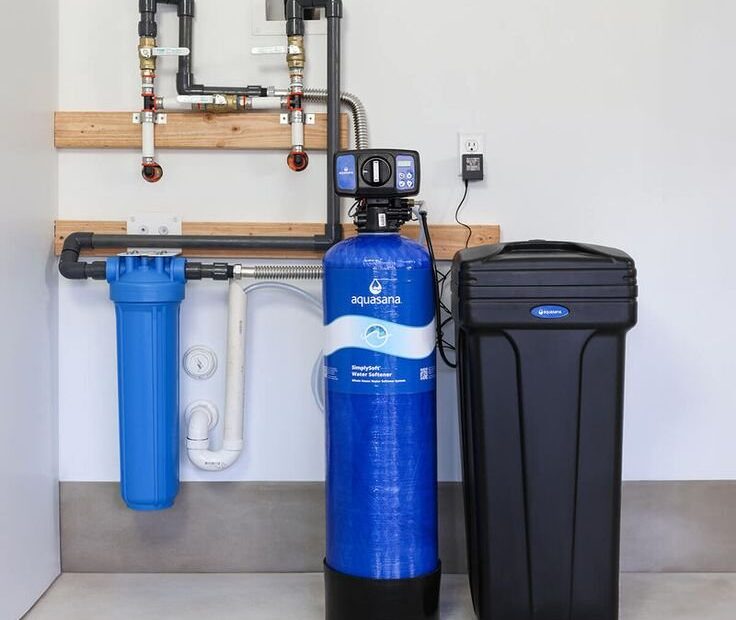
    If your home has hard water, installing a water softener or periodically flushing the tank can significantly reduce mineral accumulation.

    These simple habits don’t require much effort, but together they help improve efficiency and reduce wear over time.

    The Importance of Professional Installation

    Even the highest-quality water heater won’t perform properly if it isn’t installed correctly.

    Gas models require proper venting, pressure relief systems, and fuel connections. Electric units need safe electrical wiring and correct thermostat calibration. Plumbing connections must meet local building codes while ensuring leak-free operation.

    Professional installation protects both your investment and your family’s safety.

    It also helps maintain manufacturer warranties and minimizes future service issues caused by improper setup.

    Quality workmanship during installation often determines how reliably the appliance performs for years afterward.

    Finding a Plumbing Company You Can Trust

    A dependable plumber offers more than technical skill.

    Good communication, transparent pricing, honest recommendations, and respect for your home all contribute to a positive service experience.

    Rather than recommending unnecessary replacements, experienced professionals inspect the equipment thoroughly, explain their findings in plain language, and help homeowners understand exactly what needs attention.

    That kind of relationship becomes especially valuable when future maintenance or emergency service is required.

    Trust, after all, isn’t built through advertising. It’s built through consistently good work.

    Looking Beyond Today’s Problem

    One of the best qualities of experienced plumbing professionals is their ability to think ahead.

    While repairing today’s issue, they often identify components that may require attention months or years from now. That gives homeowners time to budget, plan upgrades, and avoid unexpected emergencies.

    Instead of constantly reacting to breakdowns, proactive maintenance creates a more reliable and efficient plumbing system overall.

    Planning ahead almost always leads to lower long-term ownership costs.

    Reliable Hot Water Starts with Smart Decisions

    A dependable water heater quietly supports nearly every part of daily life. From morning routines and family dinners to laundry and household cleaning, it’s one of those appliances that makes modern living feel effortless.

    Giving it a little attention through regular maintenance, prompt repairs, and thoughtful upgrades ensures it continues doing that job without interruption.

    Whether your current system simply needs routine servicing or you’re considering a replacement in the near future, making informed decisions today will almost certainly reduce stress tomorrow.

    In the end, taking care of your water heater isn’t just about preserving an appliance. It’s about protecting the comfort, convenience, and reliability that make your house feel like home every single day.

  • A Smarter Way to Enjoy Reliable Hot Water: Solutions That Make Everyday Life Easier

    A Smarter Way to Enjoy Reliable Hot Water: Solutions That Make Everyday Life Easier

    There are few things more frustrating than turning on the shower and waiting endlessly for warm water to arrive. It’s a small inconvenience that happens often, especially in larger homes where bathrooms are located far away from the water heater. Over time, those wasted minutes can add up, along with gallons of water going down the drain before the temperature feels right.

    Modern plumbing solutions are changing the way homeowners think about hot water. Instead of accepting slow delivery or inconsistent temperatures, many people are exploring smarter systems designed for comfort, efficiency, and convenience. From improved circulation methods to advanced instant hot water options, today’s technology offers practical answers to common household problems.

    Understanding the Challenge Behind Slow Hot Water

    A traditional plumbing system usually sends hot water from the heater through pipes whenever a faucet or shower is turned on. The problem is that water sitting inside the pipes cools down between uses. When you open the tap, the cold water must first leave the line before the heated water reaches you.

    This process can feel wasteful, especially during busy mornings when everyone is rushing to get ready. It also increases water consumption because many homeowners simply let the faucet run while waiting.

    The good news is that homeowners no longer have to deal with this inconvenience as part of normal life. Plumbing upgrades can improve the speed and efficiency of hot water delivery while making the entire system work better.

    How Hot Water Recirculation Improves Comfort

    One popular solution is a circulation system that keeps hot water moving through the plumbing network. Instead of allowing heated water to sit and cool inside pipes, the system helps maintain quicker access whenever a faucet is opened.

    Many homeowners choose hot water recirculating pumps because they provide faster hot water delivery without requiring major changes to the existing plumbing layout. These pumps are designed to move unused warm water back toward the heater, reducing waiting times and improving convenience.

    Beyond comfort, these systems can help reduce water waste. Families who are conscious about conservation often appreciate having hot water available quickly without letting gallons disappear while waiting for the right temperature.

    Exploring Instant Hot Water Options

    Another growing trend in residential plumbing is instant hot water technology. These systems are designed for people who want immediate access to warm water without long delays.

    Products commonly known as insta-hots can be useful in kitchens, bathrooms, or specific areas where quick hot water is needed. They are especially convenient for tasks like washing dishes, preparing food, or cleaning, where waiting several minutes for water to heat up can become annoying.

    However, choosing the right system depends on the home’s layout, water usage habits, and existing plumbing setup. A professional plumber can help determine whether an instant solution, circulation system, or another option makes the most sense.

    The Importance of Professional Installation

    While some plumbing upgrades may appear simple, proper installation requires experience. Incorrect connections, poor placement, or incompatible equipment can affect performance and create future problems.

    A qualified plumbing professional understands how different components work together. They can inspect existing pipes, evaluate water pressure, and recommend solutions that match the home’s needs.

    Professional installation also helps ensure safety and long-term reliability. After all, plumbing systems involve water, pressure, and connections that need to be handled carefully. A small mistake can sometimes lead to leaks, higher repair costs, or unnecessary damage.

    Maintaining Your Plumbing System for Long-Term Performance

    Even the best plumbing equipment requires regular attention. Over time, mineral buildup, aging pipes, and everyday wear can reduce system efficiency.

    Homeowners should watch for warning signs such as unusual noises, fluctuating water temperatures, damp spots, or visible leaks. These issues should not be ignored because small problems can quickly become expensive repairs.

    Regular inspections can identify hidden concerns before they create serious damage. In many cases, a simple adjustment or early repair can extend the life of the entire plumbing system.

    Addressing Water Line Problems Before They Get Worse

    Water lines are essential parts of any home’s plumbing network. They deliver clean water throughout the property, but they can experience damage due to age, shifting soil, corrosion, or freezing temperatures.

    Professional water line repairs can restore proper water flow and prevent issues such as low pressure, leaks, and water contamination risks. Experienced plumbers use modern tools to locate problems accurately and determine whether repair or replacement is the better choice.

    Ignoring water line problems rarely makes them disappear. In fact, a small leak underground or behind walls can eventually cause major structural damage if left untreated.

    Creating a More Efficient Home Plumbing Experience

    A comfortable home depends on systems that work quietly in the background. Hot water availability, efficient fixtures, and properly maintained pipes all contribute to a better daily experience.

    Investing in modern plumbing improvements is not just about convenience. It can also support water conservation, reduce unnecessary expenses, and improve the overall value of a property.

    Whether you are tired of waiting for hot water, dealing with aging pipes, or planning a plumbing upgrade, the right solution starts with understanding your home’s unique needs. Every house is different, and a thoughtful approach can make a noticeable difference.

    Reliable hot water should not feel like a luxury. With the right technology, professional guidance, and regular care, homeowners can enjoy a plumbing system that works smarter, saves resources, and makes everyday routines a little easier.