There’s something reassuring about turning on a tap and knowing the water is ready for whatever you need. Whether you’re filling a glass, making coffee, washing vegetables, or taking a shower, clean water plays a quiet but important role in everyday life. So when the water starts tasting unusual, leaves stubborn marks on fixtures, or causes problems with household appliances, it’s worth finding out what’s going on.
The tricky part is that water quality isn’t the same in every home. One property may have hard water, another may struggle with iron staining, and a third may need to investigate a concern that isn’t visible at all. Buying a treatment system before identifying the problem can waste both time and money. A better approach begins with understanding your water and choosing a solution that makes sense for your household.
Why Water Quality Deserves a Closer Look
Water can pick up minerals and other substances as it travels through soil, rock formations, treatment facilities, and plumbing systems. The exact composition depends on the water source and local conditions. Even homes in the same neighborhood may experience differences in taste, hardness, and mineral content.
Some problems are easy to spot. White deposits around faucets often indicate hard water, while reddish-brown stains may be associated with iron. A chlorine-like taste can sometimes be linked to municipal disinfection, and a rotten-egg smell may indicate hydrogen sulfide. These clues can help guide an investigation, but they cannot confirm exactly what’s present.
Other concerns require testing because they may not change the water’s appearance or taste. Nitrates, certain metals, and harmful microorganisms, for example, cannot reliably be identified by looking at a glass of water.
This is why testing matters. It gives you a clearer starting point and helps you avoid choosing equipment based on assumptions or a sales pitch.
What Happens During an In-Home Water Analysis?
For homeowners who aren’t sure where to begin, a free in-home water analysis may provide a convenient first step. Depending on the provider, the visit might include an inspection of visible water concerns, basic measurements, a discussion about your water source, and preliminary testing for selected characteristics.
A technician may ask whether you use municipal water or a private well, how long you’ve noticed the problem, and whether the issue affects every faucet or just one. These details can help narrow down possible causes.
However, it’s important to understand what the service includes. Some in-home assessments use simple screening methods, while others may collect samples for additional laboratory analysis. A free assessment isn’t automatically a comprehensive test for every contaminant, and it shouldn’t be treated as proof that water is safe to drink.
Ask which parameters are being measured, what the results can tell you, and whether laboratory testing is recommended. If you rely on a private well, have concerns about bacteria or chemical contaminants, or need to verify drinking-water safety, a qualified laboratory may be necessary.
A trustworthy provider should explain the limits of its testing clearly. You should never feel pressured to purchase equipment simply because a technician has identified a possible issue.
Finding a Treatment Option That Fits Your Needs
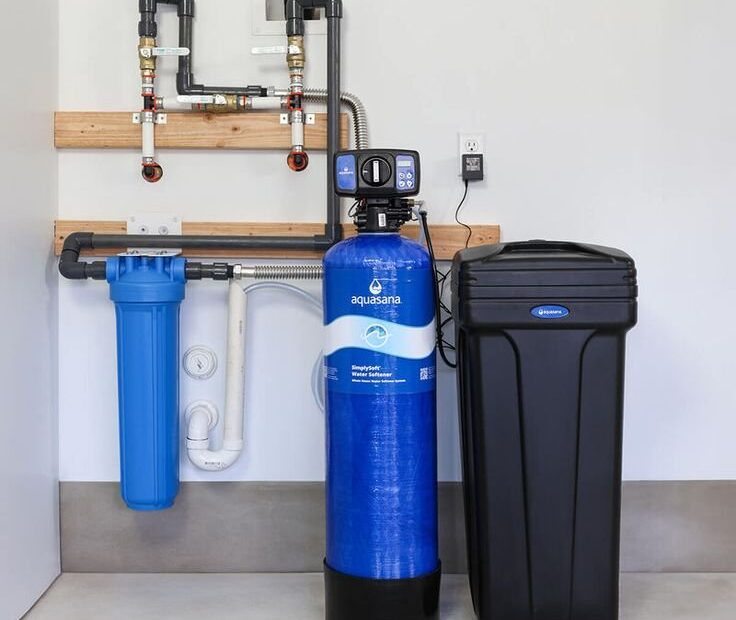
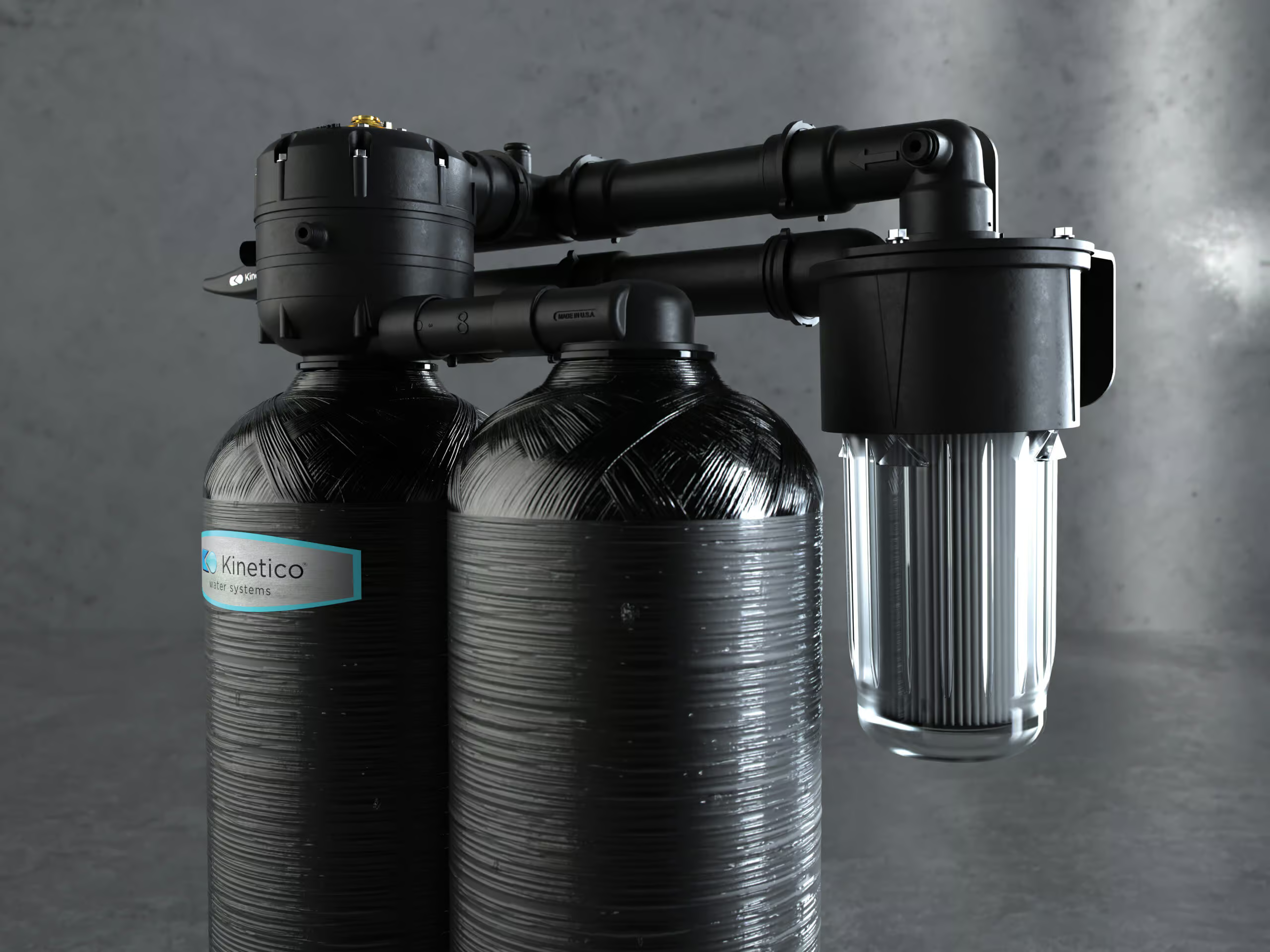
Once the water concerns are understood, the next step is choosing the right equipment. This is where many homeowners become overwhelmed. There are sediment filters, activated carbon systems, water softeners, reverse osmosis units, and specialized treatment technologies, each designed for different purposes.
A sediment filter can capture suspended particles, while activated carbon may improve taste and reduce certain odors or chemicals. A conventional water softener reduces hardness minerals through ion exchange. Reverse osmosis can reduce a range of dissolved substances, depending on the system and the water being treated.
The right choice depends on what you want to improve and what the test results show.
A customized recommendation should take into account your water quality, household size, daily consumption, plumbing layout, and budget. For example, a family experiencing hard water may benefit from a properly sized softener, while a household concerned about drinking-water taste may prefer a point-of-use filter. Homes with several different issues might need a combination of technologies.
It’s also worth thinking about convenience. Some systems require frequent cartridge replacements, while others need periodic servicing or specific operating conditions. A solution that looks affordable at first can become less attractive if the long-term maintenance costs are high.
Ask for a clear explanation of what the recommended equipment can and cannot do. If a provider claims that one device removes every contaminant, request evidence supporting that claim. Water treatment is most effective when the equipment is matched to a defined purpose.
Why Proper Installation Makes a Difference
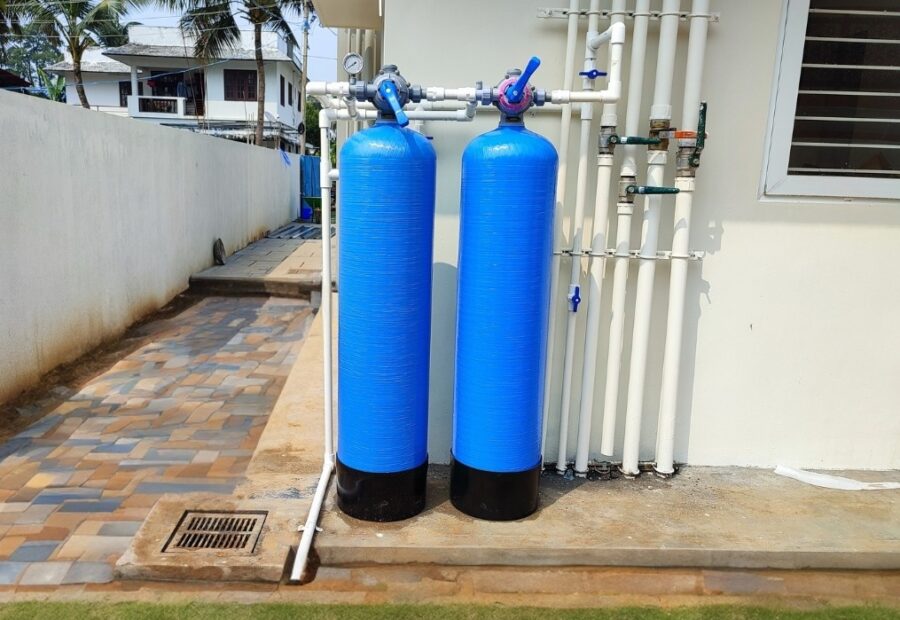
Choosing suitable equipment is only part of the job. The system also needs to be installed correctly, with enough space, appropriate connections, and capacity for the home’s water demand.
Professional installation can help ensure that the equipment is fitted according to manufacturer instructions and local plumbing requirements. An installer can check pipe sizes, water pressure, drainage needs, and available space before the work begins. These details may seem minor, but they can affect performance and reliability.
For example, a filtration system installed on a line that cannot supply enough water may struggle during busy periods. Poorly fitted connections can leak, while incorrect setup can affect the way some treatment systems operate. Certain technologies also require adjustments based on water chemistry or specific operating instructions.
Before agreeing to installation, ask what the quoted price includes. Find out whether plumbing modifications, additional fittings, testing, and cleanup are covered. You should also receive clear instructions for routine maintenance and know whom to contact if something goes wrong.
A good installation experience shouldn’t end when the technician leaves. The provider should explain how the equipment works, identify any warning signs to watch for, and outline the recommended service schedule.
Don’t Forget the Cost of Long-Term Maintenance
Water treatment is an ongoing responsibility, not simply a one-time purchase. Filters eventually need replacing, softeners require appropriate maintenance, and some systems need periodic inspection to keep performing as intended.
Before choosing a product, ask about replacement parts, expected service intervals, and typical operating expenses. Check whether the manufacturer offers accessible technical support and whether compatible cartridges or components are readily available.
It helps to keep a simple record of installation dates, filter changes, service visits, and any follow-up test results. This is especially useful if you have multiple treatment devices or live in an area where water conditions change seasonally.
You should also pay attention to changes after installation. If an unusual taste returns, water pressure drops, or staining reappears, don’t assume the equipment has failed completely. The issue might involve maintenance, changing water conditions, or a separate problem that the system wasn’t designed to address.
When health-related contaminants are involved, follow-up testing may be particularly important to confirm that treatment is working as expected.
Make the Decision With Confidence
Better water doesn’t always require a complicated setup. Sometimes, a single well-chosen filter or softener can address the main concern. In other homes, the answer may involve more detailed testing and several treatment steps.
What matters is having reliable information before spending money. Understand the problem, ask questions about the proposed solution, and compare the total cost of ownership rather than focusing only on the initial price.
A water assessment can be a useful starting point, provided you understand its scope and limitations. From there, informed recommendations, suitable equipment, and proper installation can help you build a system that fits your household.
Ultimately, the goal isn’t to buy the most advanced water treatment technology available. It’s to make sure the water in your home meets your needs, the equipment does the job it’s intended to do, and the system remains dependable long after installation day.