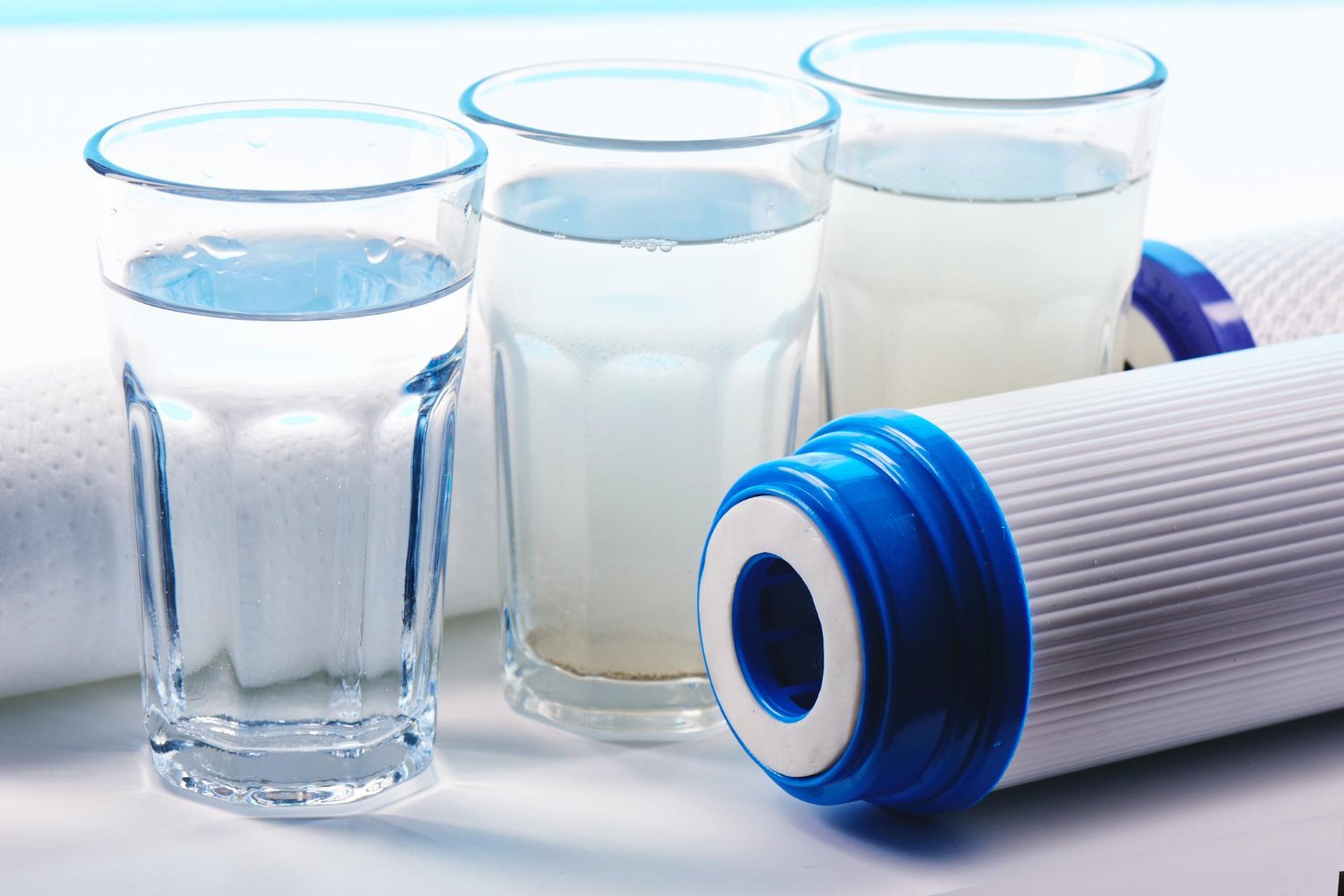
Water is one of those things most people only notice when it stops behaving the way they expect. A glass of tap water tastes strange. The shower leaves a film on the tiles. The kettle develops a chalky layer, or the water looks slightly cloudy after sitting in a glass. These problems may seem small, but they can affect how comfortable and confident you feel about the water used throughout your home.
Fortunately, modern water treatment offers more options than ever. From whole-house filtration to targeted drinking-water systems, homeowners can now choose solutions based on the actual condition of their water rather than relying on guesswork. The key is understanding what the water needs and selecting a system that addresses those concerns without creating unnecessary expense or maintenance.
Why Water Quality Can Vary
Water quality depends on several factors, including the original water source, treatment at the municipal level, plumbing infrastructure, storage tanks, and the condition of pipes inside a property. Even if water leaves a treatment facility in good condition, it may pick up sediment, metallic tastes, or other unwanted substances while travelling through older plumbing.
Private wells can present a different set of challenges. Groundwater may contain naturally occurring minerals, iron, manganese, sulfur compounds, or other substances that affect its smell, appearance, or usability. Seasonal changes can also influence water quality, especially in areas that experience heavy rainfall, flooding, or drought.
This is why a water test is such a useful starting point. Instead of buying a system based on a general concern, testing helps identify the specific substances that need attention. It also prevents homeowners from paying for technology that may not be necessary.
Understanding Advanced Filtration Systems
Modern advanced filtration systems are designed to address different water-quality concerns through a combination of treatment methods. Depending on the model, a system may include sediment filtration, activated carbon, ultraviolet treatment, membrane filtration, or specialized media designed to reduce particular contaminants.
Sediment filters are often used to capture dirt, sand, rust, and other suspended particles. Activated carbon filters can help reduce chlorine, unpleasant odors, and certain organic compounds that affect taste. Ultraviolet systems are commonly used as a disinfection step, especially in homes that rely on well water, although UV treatment does not remove minerals or physical particles.
Some systems combine multiple stages to provide broader treatment. For example, a whole-house unit might first remove sediment, then improve taste and odor, and finally provide additional protection against specific biological concerns. The exact combination should always be based on water-test results and manufacturer specifications.
A system with more stages is not automatically better. More components can mean more replacement filters, higher costs, and additional maintenance. What matters is whether each stage serves a useful purpose.
The Connection Between Water Taste and Clarity
Many homeowners first become interested in treatment because of water taste and clarity. Water that looks cloudy, smells like chlorine, or leaves a metallic aftertaste may discourage people from drinking enough throughout the day. Sometimes the issue is harmless but unpleasant; in other cases, it may point to a problem that deserves professional attention.
Cloudiness can have several causes. Tiny air bubbles may make water appear milky for a short time, while sediment or mineral particles can create more persistent cloudiness. A chlorine taste may be associated with municipal disinfection, whereas a rotten-egg smell may indicate hydrogen sulfide in certain well-water supplies.
Carbon filtration is often useful for improving taste and odor, but it is important to understand its limits. A carbon filter may not reduce dissolved minerals, hardness, nitrates, or every type of chemical contaminant. Likewise, a clear glass of water is not necessarily proof that the water is free from harmful substances. Appearance and safety are related, but they are not the same thing.
If a taste or odor appears suddenly, it is wise to investigate rather than simply cover it up with a filter. Changes in water quality can sometimes be connected to plumbing work, supply interruptions, or equipment problems.
Whole-House Filtration Versus Point-of-Use Treatment
One of the biggest decisions is whether to treat water throughout the home or focus only on drinking and cooking water.
Whole-house filtration treats water as it enters the property. This means filtered water may be available at showers, bathroom sinks, laundry connections, and kitchen taps. It can be a practical choice when sediment, chlorine, or other concerns affect the entire water supply.
Point-of-use systems are installed at a specific location, usually under the kitchen sink or attached to a dedicated drinking-water tap. They are often more affordable and can be ideal when the main priority is improving water used for drinking, cooking, and making beverages.
Neither approach is right for every household. Whole-house systems may require more space, plumbing changes, and ongoing investment. Point-of-use systems treat a smaller volume of water and may not address concerns affecting bathing or appliances. The decision should depend on the problem, household size, water usage, and available budget.
Why a Personalized Consultation Helps
Water treatment can become confusing quickly. There are filters, softeners, membranes, UV units, mineral cartridges, and combination systems, all making slightly different claims. A personalized consultation can make the process easier by connecting the equipment to the actual needs of the property.
During a consultation, a water professional may review the water source, discuss visible or noticeable problems, examine existing plumbing, and recommend appropriate testing. They can also explain installation requirements, maintenance schedules, expected operating costs, and the limitations of each treatment method.
This conversation is particularly useful for homeowners who are unsure whether they need a complete system or a smaller solution. A professional should be willing to explain why a particular technology is recommended instead of simply promoting the most expensive package.
Ask practical questions. How often will filters need to be changed? Does the system require electricity or a drain connection? What happens if water pressure drops? Are replacement parts readily available? Clear answers are a good sign that the recommendation is based on long-term use rather than a quick sale.
Maintenance Should Be Part of the Plan
Even the best water treatment system needs attention. Filters gradually become saturated, UV lamps may lose effectiveness, and membranes can require replacement. Ignoring maintenance may reduce performance and, in some cases, create new water-quality concerns.
Keep track of filter-change dates and follow the manufacturer’s instructions. If the water begins to taste different, pressure decreases, or unusual odors return, the system may need servicing. Homes with private wells should also follow a regular testing schedule, especially after flooding, repairs, or changes in water appearance.
Maintenance costs should be considered before installation. A system that seems affordable at first may become expensive if its cartridges are difficult to find or require frequent replacement.
Making a Sensible Long-Term Choice
Improving household water quality is less about buying the most advanced equipment and more about choosing the right treatment for the right reason. Start with a water test, identify the concerns that matter most, and compare systems based on performance, certifications, maintenance, and total cost of ownership.
For one home, a carbon filter may be enough to improve taste and odor. Another may need sediment removal, water softening, disinfection, or a multi-stage filtration setup. The best solution is the one that fits the water source and the people using it.
Clean, dependable water should feel ordinary—in the best possible way. With informed planning and proper maintenance, a suitable treatment system can make drinking, cooking, bathing, and daily household tasks more pleasant. It’s not about chasing perfection. It’s about making sure the water you rely on works well for your home and your life.