Have you ever cleaned your bathroom taps, only to find white marks creeping back a few days later? Or noticed that your soap doesn’t lather very well, your towels feel rough after washing, or your showerhead keeps collecting stubborn deposits? These everyday annoyances might have something in common: the water flowing through your home.
Water problems aren’t always obvious, and they don’t necessarily mean your supply is unsafe. Sometimes, the issue is simply the amount of naturally occurring minerals dissolved in the water. Understanding those minerals can help you make better decisions about household cleaning, plumbing maintenance, and treatment options.
For many homeowners, learning about water hardness is the first step toward a more comfortable and manageable home. The right solution doesn’t have to be complicated, but it should be based on what your water actually needs.
Understanding What Makes Water Hard
Water naturally picks up minerals as it travels through soil and rock. Calcium and magnesium are two of the most common, and when their concentrations are relatively high, the water is described as hard.
You may not notice anything unusual when filling a glass, but the effects can become apparent during ordinary household activities. Soap may react with these minerals, making it harder to produce a rich lather. Deposits can also form on faucets, shower screens, and the heating elements inside appliances.
Over time, mineral scale may accumulate in pipes and water heaters. Depending on the severity of the problem and the equipment involved, this buildup can contribute to reduced efficiency and increased maintenance needs.
The effects vary from one home to another. A household with moderately hard water may experience little inconvenience, while another dealing with higher hardness levels may spend far more time cleaning fixtures and removing deposits.
It’s also worth remembering that hard water isn’t automatically dangerous to drink. Calcium and magnesium are naturally occurring minerals, and hardness is primarily an aesthetic and operational concern. Other potential contaminants need separate assessment.
How Water Softeners Can Help
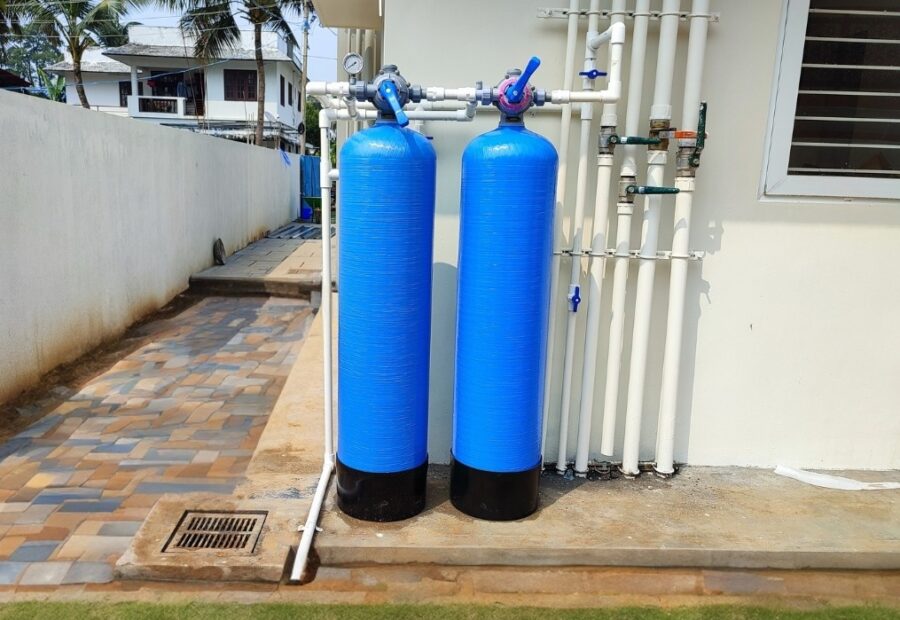
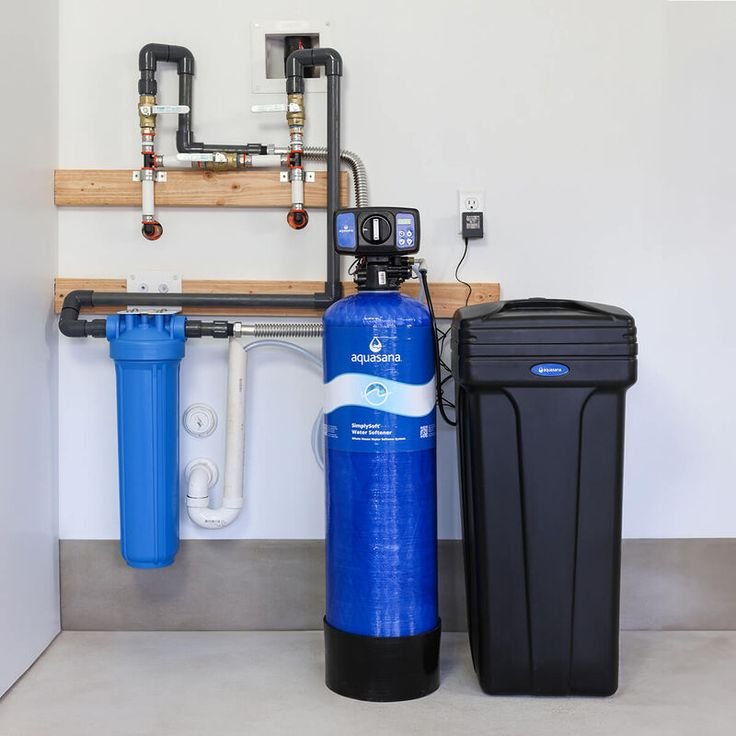
When mineral deposits become a regular frustration, water softeners may offer a practical solution. These systems are designed to reduce hardness by removing calcium and magnesium ions from the water.
Many conventional softeners use an ion-exchange process. Water passes through a resin bed that captures hardness minerals and releases sodium or, in some systems, potassium ions in their place. Eventually, the resin needs to be regenerated so it can continue working effectively.
A properly selected softener can help reduce scale formation, improve soap performance, and make cleaning bathroom and kitchen fixtures less demanding. Some homeowners also find that laundry feels different and that fewer mineral deposits collect around taps and showerheads.
However, a softener isn’t a universal water treatment device. It doesn’t automatically remove bacteria, pesticides, nitrates, or every other unwanted substance that might be present. If your concerns extend beyond hardness, additional treatment may be necessary.
System size matters, too. A household with several occupants and high water use will have different requirements from a small apartment. An undersized system may regenerate too frequently or struggle to meet demand, while an unnecessarily large unit can increase upfront costs.
Before choosing a product, consider your water hardness, household consumption, available installation space, and maintenance preferences.
Everyday Signs of Hard Water
Sometimes the first indication of a water problem is a small change in your daily routine.
You might notice cloudy spots on drinking glasses after they dry, white crust around the kitchen faucet, or a showerhead with several blocked openings. These deposits are commonly associated with mineral scale, although the appearance alone cannot confirm the exact cause.
Laundry can provide another clue. When soap doesn’t work as effectively, clothes may feel stiff or appear dull after repeated washing. Hard water can also leave residue on bathroom surfaces, making them seem dirty again shortly after cleaning.
In kitchens, mineral buildup may collect inside kettles and coffee makers. Descaling these appliances periodically can help, but persistent buildup may indicate that the water entering the home has elevated hardness.
One important distinction: hard water isn’t the only explanation for these problems. Sediment, cleaning products, plumbing corrosion, and other water characteristics can create similar symptoms. If you’re unsure, a hardness test is a sensible starting point rather than immediately purchasing treatment equipment.
Why Testing Matters Before Choosing a Treatment
A little information can prevent a lot of guesswork. Testing helps establish how hard the water is and whether other characteristics deserve attention.
Homeowners using municipal supplies can often consult their water provider’s published quality information. However, the water reaching an individual property may also be influenced by household plumbing. Private well owners should follow local health recommendations for routine testing, since well water can be affected by nearby land use, groundwater conditions, and changes in the surrounding environment.
Understanding your water quality involves more than checking hardness alone. Depending on the water source and any concerns you have, testing may include pH, iron, manganese, nitrate, or microbial contaminants.
Iron deserves particular attention because it can cause reddish-brown staining that resembles other mineral deposits. A standard softener may remove some dissolved iron under suitable conditions, but higher concentrations or particular forms of iron may require different treatment.
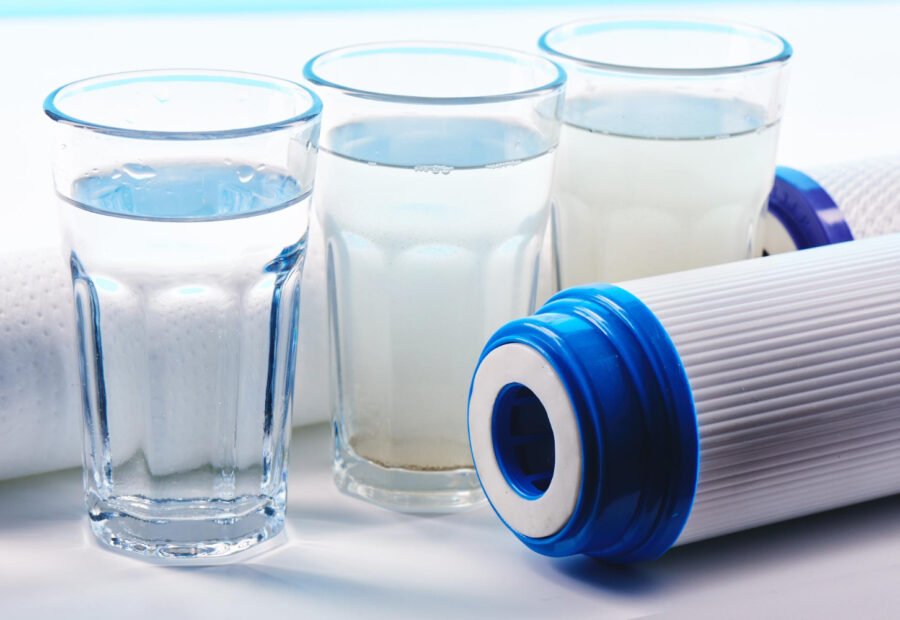
Testing also helps you avoid paying for equipment you don’t need. If the problem is primarily sediment, for example, a sediment filter may be more appropriate than a softener. If the water has both hardness and a separate drinking-water concern, a combination of technologies may be worth considering.
A qualified water treatment professional can help interpret results and explain which options are appropriate.
Choosing the Right System for Your Home
Once you understand the problem, compare systems based on performance and long-term practicality rather than appearance or marketing claims.
Start with the system’s rated capacity and the hardness level it is designed to handle. Ask how often regeneration is expected, how much salt or potassium chloride it may use, and whether the system needs a dedicated drain or electrical connection.
Look at ongoing costs as well. Replacement components, salt, servicing, and water use during regeneration can affect the overall expense of ownership.
Some households may prefer a conventional salt-based softener, while others might investigate alternatives because of space limitations, maintenance preferences, or concerns about adding sodium to softened water. Different products work in different ways, so understand the technology before comparing claims.
Salt-free scale-control systems, for example, may help limit scale formation under certain conditions, but they generally don’t remove hardness minerals in the same way as ion-exchange softeners. The distinction is important if your goal is genuinely to reduce measured hardness.
If sodium intake is a concern, discuss suitable drinking-water arrangements with a healthcare professional or water specialist. A separate unsoftened drinking-water line may be an option in some homes, depending on the plumbing design and local requirements.
Maintaining Your Water Softener
Like any household equipment, a softener needs occasional attention. Check salt levels according to the manufacturer’s instructions, use the recommended type of salt, and keep the surrounding area clean and accessible.
Follow the suggested maintenance schedule and watch for changes in water feel, scale buildup, or system performance. If the softener appears to be using too much salt or isn’t reducing hardness as expected, the resin, control settings, or other components may need inspection.
It’s useful to keep records of installation, servicing, and test results. These details make it easier to identify changes and help technicians diagnose problems if they arise.
Remember, regular maintenance doesn’t replace testing when water concerns change. A working softener can address hardness without necessarily resolving a separate contamination issue.
Making a Sensible Long-Term Investment
Improving household water is less about buying the most expensive equipment and more about matching a solution to the problem. Start with reliable information, consider how your family uses water, and compare the complete cost of ownership.
For some homes, occasional appliance descaling and simple cleaning adjustments may be enough. Others may benefit considerably from a properly sized softener and a consistent maintenance routine.
The best decision is an informed one. When you understand what’s in your water, how hardness affects your home, and which treatment methods can realistically help, you’re better equipped to choose a system that fits your needs.
Softer water won’t solve every household problem, of course, but the right approach can reduce stubborn deposits, make everyday cleaning easier, and help protect water-using appliances. Sometimes, a more comfortable home begins with something as simple as understanding what’s coming out of the tap.