Water is probably the last thing on your mind when you’re rushing through breakfast or getting the children ready for school. You turn on the faucet and expect everything to be fine. But when an unfamiliar smell appears or your freshly washed dishes develop cloudy spots, questions naturally start coming up.
Interestingly, many water quality problems go unnoticed because homeowners gradually become accustomed to them. That slightly metallic taste or persistent mineral residue eventually feels normal.
It doesn’t have to be that way. Professional water testing can help you understand what’s happening with your supply and whether any improvements are worth considering. Sometimes, a simple assessment can save you from spending money on unnecessary treatment equipment.
The Convenience of Testing Water at Home
Taking a water sample somewhere for testing isn’t always convenient, particularly when you’re juggling work and family responsibilities. Having a professional visit your property can make the process considerably easier.
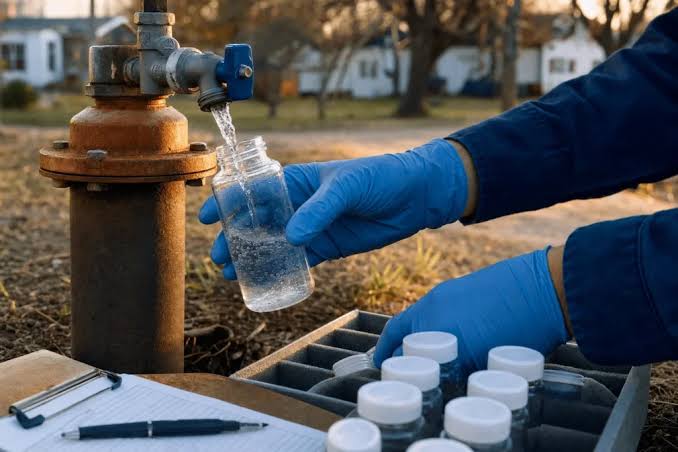
Through on-site water analysis, technicians can examine certain water characteristics directly at your home. Depending on the service, they may measure hardness, pH, chlorine levels, and total dissolved solids using portable testing equipment.
An in-person visit also gives homeowners an opportunity to discuss problems they’ve noticed. Perhaps the upstairs shower develops more mineral deposits than the downstairs bathroom, or hot water occasionally has an unpleasant odor.
These observations can help guide further investigation. Basic on-site testing has limitations, though, and certain contaminants require specialized laboratory examination.
What Your Water Might Be Trying to Tell You
Water quality problems often leave little clues around the house. The trouble is knowing what they mean.
White deposits around faucets commonly indicate mineral buildup. Reddish stains may suggest the presence of iron, while an unusual chemical smell could be related to disinfectants or another source requiring investigation.
A professional water quality assessment helps homeowners investigate these signs instead of relying entirely on assumptions.
For instance, someone experiencing persistent mineral stains might assume that installing a drinking water filter will solve everything. However, if excessive hardness is responsible, a water softener could be more appropriate.
Understanding the underlying problem makes treatment decisions much more straightforward. It also helps prevent the frustration of purchasing equipment that delivers disappointing results.
Why Knowing Your Local Water Conditions Matters
Water quality can differ surprisingly from one neighborhood to another. Water sources, geological conditions, treatment processes, and plumbing infrastructure all influence what eventually reaches your faucet.
Working with experienced providers of local water testing services can be helpful because they may already understand common water quality challenges within the surrounding community.
They can also help homeowners determine whether their concerns require basic screening or more comprehensive laboratory testing.
Of course, local familiarity shouldn’t replace actual measurements. Even two properties located on the same street may have different plumbing-related concerns.
Reliable testing, rather than general assumptions about an area, should remain the foundation of any treatment recommendation.
Understanding the Numbers Behind Your Water Test
Receiving a report filled with unfamiliar measurements might seem intimidating at first. Fortunately, most basic water quality parameters are fairly easy to understand.
Hardness measures the concentration of calcium and magnesium associated with mineral deposits. The pH level describes how acidic or alkaline the water is.
Total dissolved solids provide an estimate of dissolved substances but don’t identify individual contaminants. Chlorine measurements can help evaluate disinfectant levels and investigate certain taste or odor complaints.
A higher number isn’t necessarily a reason to panic. Each measurement needs to be interpreted within its proper context.
A trustworthy professional should explain the results clearly, including which findings are relevant to household comfort and which require further investigation.
Private Wells Deserve Extra Attention
Homeowners who rely on private wells have different responsibilities from those connected to municipal water supplies.
Groundwater conditions can change following heavy rainfall, flooding, nearby construction, or other environmental activities.
What’s particularly concerning is that these changes aren’t always accompanied by noticeable differences in taste or smell.
Private well owners should arrange regular laboratory testing, including annual checks for bacteria and nitrates, alongside other parameters recommended for their location.
If something unusual happens to the water supply, additional testing may be necessary rather than waiting for the next scheduled assessment.
Choosing Water Treatment Without Wasting Money
There’s no shortage of water treatment products available today. Some advertisements make it sound as though every household needs an elaborate filtration system.
In reality, treatment requirements vary considerably.
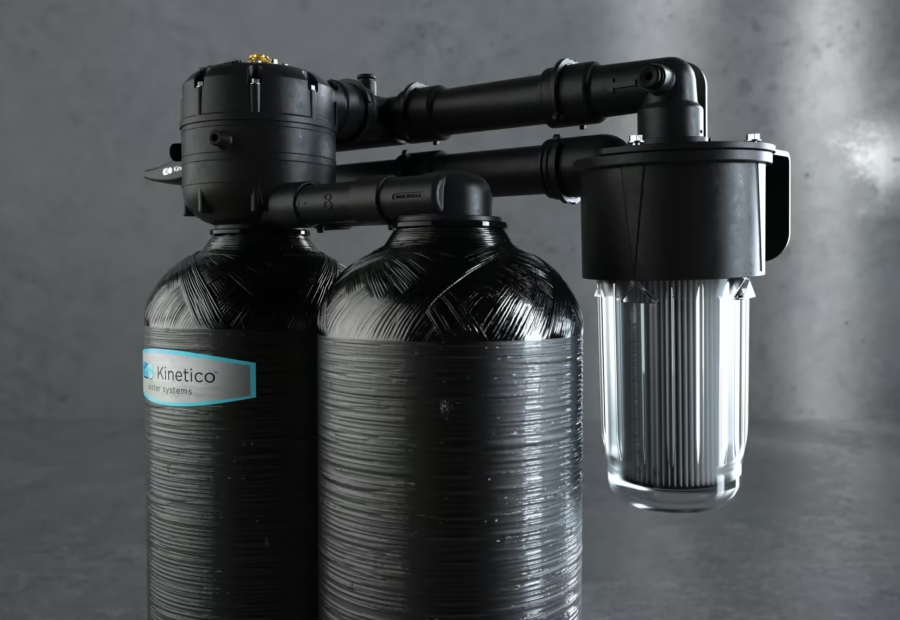
Excessive hardness may benefit from water softening. Sediment filters can capture suspended particles, while activated carbon can address certain taste and odor concerns.
Reverse osmosis may be appropriate when specific dissolved contaminants require reduction.
The sensible approach is to match treatment capabilities to reliable test results. Ask about equipment certifications, installation expenses, maintenance requirements, and expected performance.
Sometimes, the best outcome of a water test is discovering that you don’t need additional equipment at all.
When Is It Worth Scheduling Another Water Test?
Water testing shouldn’t always be treated as a one-time household task.
Changes in water appearance, unexpected odors, plumbing repairs, or environmental incidents can justify further investigation.
Homeowners who have recently installed treatment equipment may also benefit from follow-up testing to verify its effectiveness.
Keep copies of previous reports. Comparing results over time can reveal changes that might otherwise escape your attention.
A Little Information Goes a Long Way
Understanding your household water supply is a practical step toward making better decisions about your property.
Whether you’re dealing with persistent mineral stains, unpleasant tastes, or concerns about drinking water quality, reliable testing can provide useful direction.
There’s no need to rush into expensive treatment decisions. Ask questions, understand the findings, and choose improvements that genuinely benefit your household.
After all, water is something you depend on every single day. Knowing a little more about it is time well spent.