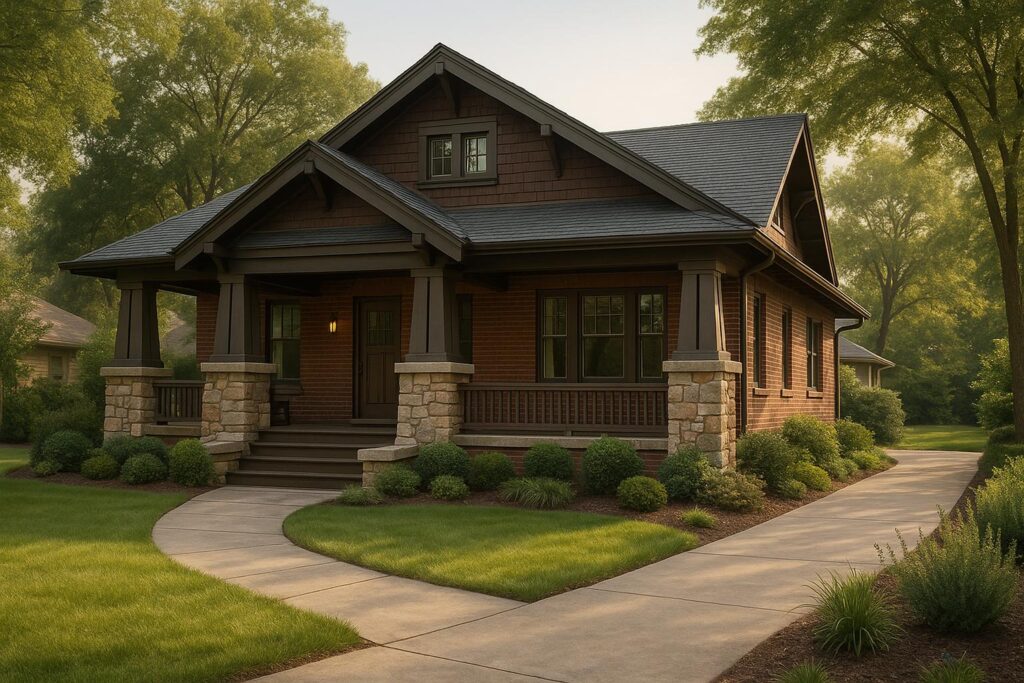
When homeowners think about exterior renovations, they usually picture new roofing, fresh siding, or perhaps a set of attractive replacement windows. Rarely does anyone get particularly excited about the boards running along the roofline or the panels tucked beneath the overhang.
Yet these seemingly minor components do quite a bit of work.
Soffits, fascia, and exterior trim contribute to your home’s appearance, ventilation, and protection against moisture. When they begin deteriorating, the consequences can extend beyond a few peeling paint patches.
For homeowners in Minnesota, where heavy snowfall, summer thunderstorms, and fluctuating temperatures are familiar challenges, maintaining these exterior features deserves more attention than it often receives.
Understanding What Soffits and Fascia Actually Do
If you’re unfamiliar with roofing terminology, you’re certainly not alone. Soffits are the panels located beneath the roof overhang, while fascia refers to the boards running along the roof’s outer edge.
Both serve practical purposes.
Professional soffit and fascia installation helps protect exposed roof edges, support gutter attachment, and provide appropriate attic intake ventilation where vented soffits are part of the roof design.
Properly ventilated soffits allow outside air to enter the attic as part of a balanced ventilation arrangement. Fascia protects roof edges and provides an attachment surface for many gutter systems.
When these components become damaged, moisture and pests may find their way into vulnerable areas.
It’s surprising how much responsibility rests on parts of the house that most people barely notice.
Recognizing When Your Roofline Needs Attention
Take a moment during your next walk around the yard to look beneath the roof overhang. You might discover signs of deterioration that have been developing unnoticed.
Peeling paint, cracked boards, sagging panels, and unusual discoloration can indicate that something needs investigating.
Wooden fascia may become vulnerable to decay following prolonged moisture exposure. Damaged soffit panels might also create openings where insects, birds, or small animals can enter.
Sometimes, the underlying problem originates elsewhere. Overflowing gutters or deteriorated roofing components may repeatedly expose these areas to moisture.
That’s why simply repainting damaged boards isn’t always enough. Understanding what’s causing the deterioration is considerably more useful than temporarily improving its appearance.
Giving Your Home Character Through Exterior Trim
There’s something about neatly finished windows, well-defined rooflines, and coordinated corner boards that makes a house look genuinely cared for.
These details might not stand out individually, but together, they influence the property’s overall character.
Thoughtful exterior trim improvements can refresh an older home’s appearance while addressing deteriorated materials around windows, doors, and other vulnerable exterior connections.
Homeowners can explore contrasting colors, understated finishes, or decorative profiles that complement their existing architecture.
However, appearance shouldn’t overshadow functionality. Proper flashing, suitable materials, and carefully managed joints are essential for exterior performance.
A beautifully painted window surround won’t offer much long-term value if water continues finding its way behind it.
How Severe Weather Affects Your Home’s Exterior
Minnesota’s weather can be wonderfully diverse, although homeowners might occasionally wish it were a little less demanding.
Strong winds can loosen exterior panels, hail may dent certain materials, and heavy rainfall can expose weaknesses around roof edges and trim connections.
Following severe weather, professional assessments of storm-related exterior damage can help identify affected components before additional moisture exposure creates more extensive problems.
Even when the roof appears relatively intact, soffits, fascia, gutters, and decorative trim may have sustained damage.
Look for displaced panels, bent metal, loose boards, or unusual gaps from a safe location at ground level.
Avoid climbing onto potentially damaged roofing or attempting repairs during unfavorable weather conditions.
Choosing Materials That Make Maintenance Easier
Exterior finishing materials have come a long way. Homeowners can now choose from several options depending on their preferred appearance, budget, and maintenance expectations.
Aluminum soffits and fascia coverings are popular for their relatively straightforward upkeep. Vinyl soffits offer another option, while wood remains appealing to homeowners who appreciate a traditional appearance.
Composite and manufactured trim products may also provide practical alternatives to conventional timber.
Each material has different installation requirements and limitations. Wood generally requires periodic painting or sealing, while other products may need particular allowances for expansion and contraction.
Consider your lifestyle when making a selection. If weekends are already packed with family activities and household chores, relatively low-maintenance materials might be especially appealing.
Why Attic Ventilation Shouldn’t Be Overlooked
Attic ventilation isn’t something most homeowners think about regularly. Nevertheless, it can play an important role in managing heat and moisture within appropriately designed roof assemblies.
Blocked soffit vents may interfere with airflow, particularly when insulation has been installed without adequate ventilation clearances.
During Minnesota winters, attic air leakage and insufficient insulation can contribute to uneven roof temperatures and ice dam formation.
A renovation provides an opportunity to investigate these concerns and make suitable improvements.
Discuss ventilation, insulation, and air sealing with your contractor before replacing roofline components. These features need to work together rather than operate independently.
Finding a Contractor Who Pays Attention to the Finishing Details
When comparing contractors, ask about installation methods, material warranties, moisture protection, and previous exterior renovation projects.
Request a detailed written estimate and verify appropriate licensing and insurance.
Good workmanship often becomes apparent through the finer details: neatly fitted panels, properly aligned trim, suitable fastening, and carefully finished connections.
These are worth getting right.
The Little Things That Make a Home Last
Protecting your property doesn’t always require a dramatic renovation. Sometimes, replacing deteriorated fascia, restoring damaged soffits, or updating worn exterior trim can make a meaningful difference.
These improvements help preserve your home’s appearance while supporting its protective performance.
After all, a dependable exterior is made up of many smaller components working together. Giving those overlooked details a little attention today can help keep your home looking welcoming and performing reliably through many Minnesota seasons to come.