
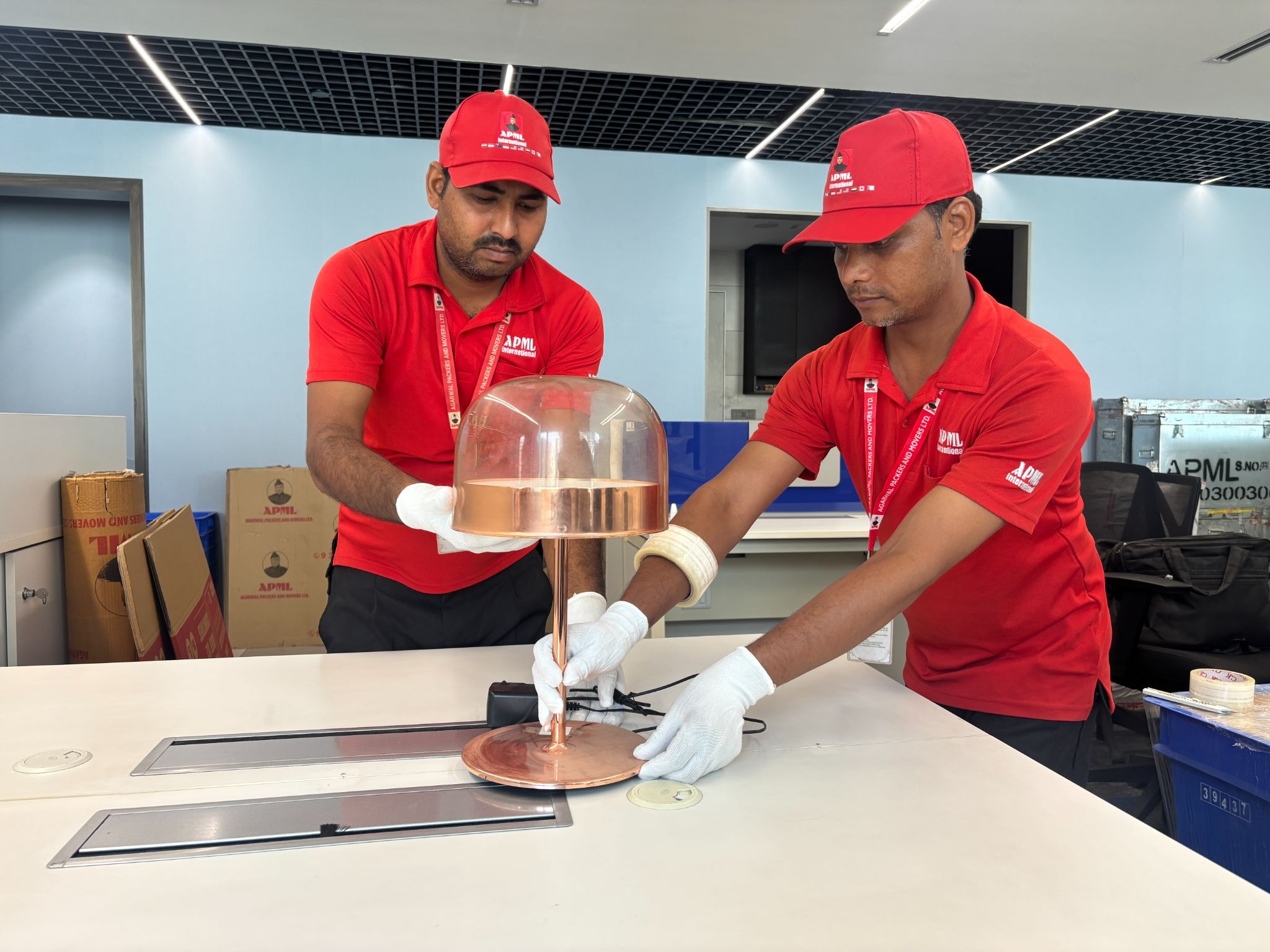
Moving to a new property in Brisbane involves more than putting your belongings into boxes. The layout of your home, weather conditions, furniture size, access points and timing can all affect how smoothly the relocation goes.
Whether you’re changing suburbs, moving into a larger home or relocating your workplace, having a practical moving strategy can save time and reduce unnecessary stress.
Professional Removalists in Brisbane can assist with the physical side of relocation, including handling, loading, transportation and unloading.
Start by Understanding Your New Property
Before packing your existing home, take some time to understand the property you’re moving into.
Consider the layout of the rooms and identify where large furniture will go. Measure important doorways, staircases and other access points if you have oversized items.
This is particularly useful for:
- Sofas
- Beds
- Wardrobes
- Dining tables
- Refrigerators
- Large cabinets
- Outdoor furniture
Knowing where these items will go can make the unloading process more organised.
Create a Moving Budget
A moving budget helps you keep track of the total cost rather than focusing only on the removal service.
Your relocation expenses may include:
- Removal services
- Packing materials
- Professional packing
- Cleaning
- Temporary storage
- Utility connections
- Travel expenses
- Property-related costs
Set aside a small amount for unexpected expenses as well. Having some flexibility can make the move less stressful.
Brisbane Weather Can Influence Moving Plans
Brisbane’s climate is an important consideration when planning a relocation.
Hot conditions can make physical moving work more demanding, while rain can affect outdoor loading and unloading.
If possible, keep weather-sensitive belongings protected during the move. Electronic equipment, documents and certain household items should not be unnecessarily exposed to moisture.
If your moving date is approaching and poor weather is expected, communicate with your removalist about the practical arrangements.
Plan Around Your Work Schedule
A house move can become especially difficult when it clashes with work commitments.
Instead of trying to complete everything in one weekend, spread the preparation across several days.
Pack non-essential rooms first and leave everyday necessities until later.
If you’re relocating for work, consider taking annual leave or arranging your schedule around the moving date where possible.
A little planning can give you more time to deal with unexpected tasks.
Give Special Attention to Outdoor Items
Brisbane homes may have balconies, patios, garages, gardens and outdoor entertaining areas.
These spaces can contain many items that are easy to overlook.
Before moving, check for:
- Outdoor tables and chairs
- Barbecues
- Garden equipment
- Tools
- Storage boxes
- Bicycles
- Sports equipment
- Decorative items
Clean and prepare outdoor belongings before they are transported. Certain equipment may also require disassembly.
Organise Your Documents
Important documents shouldn’t disappear into an unidentified carton.
Create a dedicated document folder containing items such as:
- Identification
- Property documents
- Insurance information
- Financial paperwork
- School records
- Employment documents
- Moving-related paperwork
Keep this folder with you throughout the relocation.
Prepare a Digital Backup
A move is also a good time to organise important digital information.
Back up photographs, important work files and other valuable digital documents before moving.
If you’re relocating a home office, keep essential devices and storage drives protected and easily accessible.
This is particularly important if you work remotely and need to resume normal activities soon after arriving.
Moving With Large Appliances
Large appliances need more preparation than ordinary cartons.
Before moving refrigerators, washing machines or similar equipment, follow the manufacturer’s preparation recommendations where applicable.
Allow appliances to be properly disconnected and prepared before they are transported.
Make sure the new property has suitable space and connections available before delivery.
Think About Children During the Move
Children may find a house full of boxes and changing routines confusing.
Give them simple tasks they can manage, such as sorting books or labelling their own boxes.
Pack a separate bag containing their clothes, snacks, favourite items and entertainment.
After arriving in Brisbane, setting up their room early can help create a familiar space while the rest of the home is still being organised.
Moving a Home Office
More people now work remotely, which makes home-office equipment an important part of many relocations.
Separate computers, monitors, printers, documents and office accessories from ordinary household belongings.
Keep cables organised and label them where necessary.
If you need to work immediately after moving, keep your essential equipment accessible instead of placing everything into the main shipment.
What Should You Ask a Removalist Before Booking?
A conversation before booking can help prevent misunderstandings.
Ask the removal company about:
- Available moving dates
- Vehicle capacity
- Number of movers
- Loading and unloading
- Packing options
- Furniture handling
- Difficult access
- Storage
- Additional charges
- Protection for belongings
Explain your property layout and mention any unusually large or fragile items.
The more accurate information you provide, the easier it is for the company to understand your moving requirements.
Moving Between Brisbane Suburbs
Not every relocation involves leaving Brisbane.
A move between suburbs can still involve complicated access, apartment rules, parking restrictions and large quantities of furniture.
Even for shorter distances, preparation matters.
Don’t assume a short journey means you can leave everything until the last minute. Loading and unloading can still take considerable time.
Relocating an Office in Brisbane
Office relocations require a different level of coordination.
Create an equipment list and decide what should be moved first.
Important workplace items may include:
- Computers
- Desks
- Office chairs
- Filing cabinets
- Printers
- Documents
- Networking equipment
- Meeting-room furniture
Label equipment clearly so employees can identify their workstations after delivery.
If possible, schedule the relocation outside your busiest working hours to minimise disruption.
Frequently Asked Questions
How do I choose the right removalists in Brisbane?
Start by comparing services rather than looking only at price. Consider the company’s ability to handle your property type, furniture, access conditions, packing needs and preferred moving schedule.
What information should I provide when requesting a moving quote?
Provide the pickup and destination locations, property type, approximate number of rooms, major furniture items, access conditions, moving date and any packing or storage requirements.
Does Brisbane weather affect moving day?
Rain and extreme heat can make loading and unloading more challenging. Discuss weather-related arrangements with your removalist if conditions are expected to be difficult.
How can I prepare outdoor furniture for relocation?
Clean outdoor items, remove loose parts and disassemble suitable furniture where necessary. Keep small fittings together so they can be reassembled at the destination.
Should important documents go in the moving truck?
It’s generally more practical to keep important personal documents with you rather than placing them inside the main household shipment.
Can removalists move home-office equipment?
Home-office equipment can generally form part of a household move. Identify computers, monitors and other sensitive equipment before moving day and discuss any special handling requirements.
How can I make an office relocation easier?
Create an equipment inventory, label workstations, protect sensitive equipment and schedule the move around business operations where possible.
What should I do if my new Brisbane property isn’t ready?
If your move-out and move-in dates don’t align, discuss temporary storage options with your removalist and plan where your belongings will stay during the gap.
Plan Your Brisbane Move With Confidence
A successful relocation starts with understanding the practical details of the move. Check your new property’s access, prepare large belongings, organise important documents and communicate your requirements clearly.
Brisbane’s weather, outdoor spaces and property layouts can also influence how a move is handled, so planning around these factors is worthwhile.
If you’re arranging a residential or commercial relocation, explore Removalists in Brisbane to learn more about professional moving services and relocation options.