
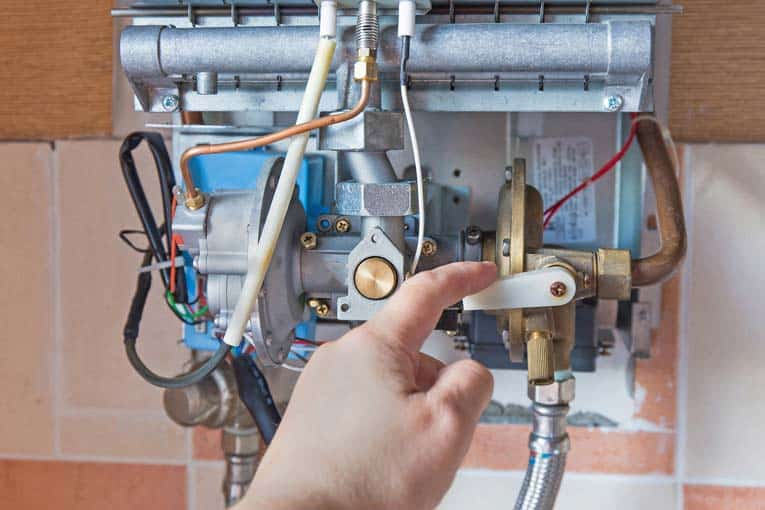
There are plenty of appliances we use every day without giving them much thought, but the water heater might be the quiet champion of the bunch. It makes morning showers comfortable, helps clean dishes after dinner, powers the washing machine, and somehow manages to stay out of sight while doing all the hard work.
That is, until it doesn’t.
A sudden blast of cold water in the middle of a shower or a puddle forming around the base of the tank is enough to remind anyone how important this single appliance really is. The encouraging part is that most water heater problems don’t appear overnight. They usually develop gradually, offering plenty of warning signs if you know what to look for.
Understanding those signs—and taking action before a complete breakdown—can save homeowners time, money, and more than a few frustrating mornings.
Your Water Heater Never Really Takes a Day Off
Unlike many household appliances that operate only when needed, a water heater works around the clock. Even while you’re sleeping or away from home, it’s maintaining water temperature so hot water is ready whenever someone turns on a faucet.
That constant cycle naturally creates wear over time. Heating elements, thermostats, valves, burners, and tanks all experience gradual aging. Hard water can speed up the process by leaving mineral deposits inside the system, forcing it to work harder than necessary.
The longer the appliance operates under extra strain, the more likely it becomes that performance will begin to decline.
Early Warning Signs Are Easy to Miss
Most water heaters try to tell homeowners when something isn’t quite right.
Water may not stay hot as long as it once did. Strange rumbling or popping sounds could come from the tank. Rust-colored water might appear occasionally, or you may notice moisture collecting around the base of the unit.
Some homeowners simply assume these are normal signs of an aging appliance.
In reality, they’re often indicators that professional water heater repair could resolve the issue before it becomes much more expensive.
Addressing problems early usually prevents complete system failure while extending the equipment’s lifespan.
Why Routine Maintenance Pays Off
It’s easy to postpone maintenance when everything appears to be working normally.
The problem is that sediment continues collecting inside the tank whether you notice it or not. Over time, mineral buildup reduces heating efficiency, increases energy usage, and places additional stress on internal components.
Scheduling regular water heater maintenance helps remove accumulated sediment, inspect safety features, test heating components, and identify worn parts before they fail unexpectedly.
These routine service appointments rarely take long, yet they often add years to the life of the appliance while improving its overall efficiency.
Preventive maintenance almost always costs less than emergency repairs.
Choosing the Right Water Heater for Your Home
Every household uses hot water differently.
A family with several children naturally demands much more hot water than a retired couple or someone living alone. Daily routines, laundry habits, appliance usage, and the number of bathrooms all influence the type of system that performs best.
Traditional storage tank models continue to serve millions of homes reliably, but many homeowners are also exploring tankless water heaters because they provide hot water on demand while eliminating the standby energy losses associated with storing heated water.
Although tankless systems aren’t the perfect fit for every property, they offer impressive efficiency and continuous hot water when properly sized.
Selecting the right equipment becomes much easier with guidance from an experienced plumbing professional.
Repair or Replace? Knowing When It Makes Sense
One question almost every homeowner eventually faces is whether repairing an older water heater is still worthwhile.
If the problem involves a replaceable thermostat, heating element, or pressure relief valve, repairs are often practical and affordable.
However, leaking tanks, severe corrosion, repeated breakdowns, or systems approaching the end of their expected lifespan may justify replacement instead.
A trustworthy plumber will evaluate the condition of the entire system, explain available options clearly, and recommend the solution that offers the best long-term value rather than simply the most expensive one.
That honest advice makes decision-making much less stressful.
Everyday Habits That Extend Equipment Life
Homeowners don’t need specialized tools to help protect their water heater.
Lowering excessively high thermostat settings reduces unnecessary strain while saving energy. Watching for small leaks, paying attention to unusual sounds, and avoiding long periods without maintenance all contribute to healthier equipment.
If your home has hard water, installing a water softener or periodically flushing the tank can significantly reduce mineral accumulation.
These simple habits don’t require much effort, but together they help improve efficiency and reduce wear over time.
The Importance of Professional Installation
Even the highest-quality water heater won’t perform properly if it isn’t installed correctly.
Gas models require proper venting, pressure relief systems, and fuel connections. Electric units need safe electrical wiring and correct thermostat calibration. Plumbing connections must meet local building codes while ensuring leak-free operation.
Professional installation protects both your investment and your family’s safety.
It also helps maintain manufacturer warranties and minimizes future service issues caused by improper setup.
Quality workmanship during installation often determines how reliably the appliance performs for years afterward.
Finding a Plumbing Company You Can Trust
A dependable plumber offers more than technical skill.
Good communication, transparent pricing, honest recommendations, and respect for your home all contribute to a positive service experience.
Rather than recommending unnecessary replacements, experienced professionals inspect the equipment thoroughly, explain their findings in plain language, and help homeowners understand exactly what needs attention.
That kind of relationship becomes especially valuable when future maintenance or emergency service is required.
Trust, after all, isn’t built through advertising. It’s built through consistently good work.
Looking Beyond Today’s Problem
One of the best qualities of experienced plumbing professionals is their ability to think ahead.
While repairing today’s issue, they often identify components that may require attention months or years from now. That gives homeowners time to budget, plan upgrades, and avoid unexpected emergencies.
Instead of constantly reacting to breakdowns, proactive maintenance creates a more reliable and efficient plumbing system overall.
Planning ahead almost always leads to lower long-term ownership costs.
Reliable Hot Water Starts with Smart Decisions
A dependable water heater quietly supports nearly every part of daily life. From morning routines and family dinners to laundry and household cleaning, it’s one of those appliances that makes modern living feel effortless.
Giving it a little attention through regular maintenance, prompt repairs, and thoughtful upgrades ensures it continues doing that job without interruption.
Whether your current system simply needs routine servicing or you’re considering a replacement in the near future, making informed decisions today will almost certainly reduce stress tomorrow.
In the end, taking care of your water heater isn’t just about preserving an appliance. It’s about protecting the comfort, convenience, and reliability that make your house feel like home every single day.