
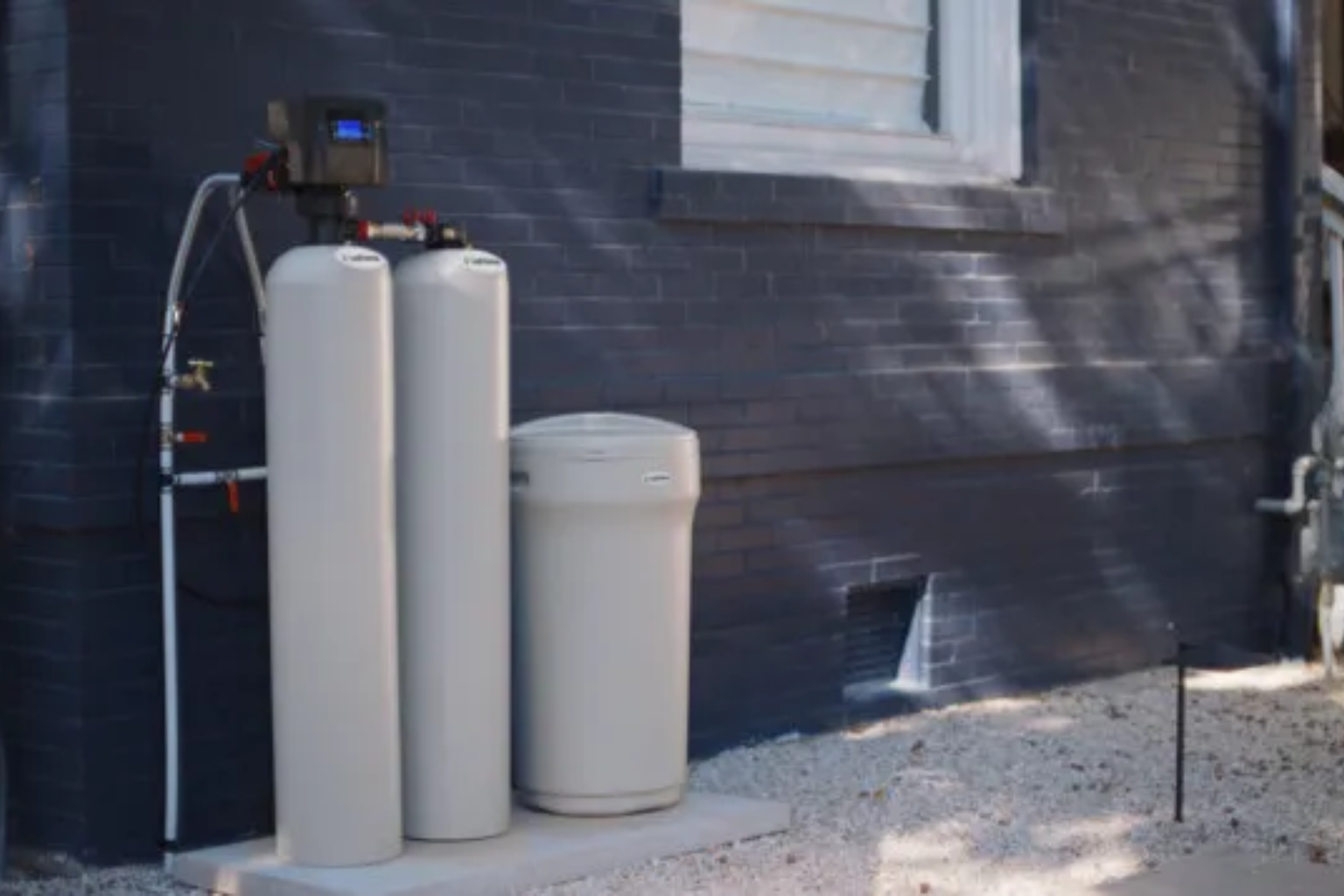
There’s something oddly satisfying about soft water. Your skin feels silkier. The dishes actually sparkle. And laundry? It comes out fluffier, almost like it’s been treated at a spa. But the unsung hero in that whole system? Salt. Yep, salt.
And not just any salt.
There’s a quiet debate lurking behind your utility closet door. Rock, pellet, solar, block — the types of water softener salt you choose can make a surprisingly big difference. Not in a flashy, Instagram-worthy way, but in a low-key, long-game kind of way. So, let’s talk salt: the real stuff behind that softened water magic.
Softeners Don’t Eat Salt, They Drink It
Let’s start with what your water softener actually does with the salt. It doesn’t just absorb it like your body does on fries. Instead, your softener uses salt to make a brine — a strong salty solution that flushes out hard minerals (calcium and magnesium, mostly) from the resin beads inside the tank.
That’s how the system recharges itself and stays effective. No brine? No soft water.
But here’s the kicker: not all salt breaks down the same way. Some forms dissolve faster, others slower. Some leave behind crusty gunk. And some just… cost way too much for what they offer.
Your Main Salt Options: Let’s Get Salty
Not all water softener salt is created equal. There are actually several different types, each with its own perks and quirks. Here’s the breakdown:
1. Rock Salt
It’s cheap and looks like something you’d toss on your driveway in January. But cheap doesn’t always mean cheerful — it tends to contain a lot of insoluble minerals. That can lead to sludge in the tank. Not ideal if you’re trying to avoid maintenance.
2. Solar Salt
Made by evaporating seawater (yes, seriously), solar salt usually comes in crystals or pellets. It’s purer than rock salt and dissolves more easily. A solid middle-ground option.
3. Evaporated Salt Pellets
These are the good kids in the class — high-purity, low-residue, and consistent. They cost a bit more, but your system will love you for it.
4. Block Salt
These chunky, rectangular blocks look like they belong in a minimalist kitchen or maybe a science lab. If you’ve got a softener that specifically asks for block salt for water softener, they can work beautifully. But don’t just toss them into any unit — they dissolve slowly and need more water to create brine.
Not Just a Taste Issue: Salt Can Affect Your System’s Lifespan
Here’s something a lot of folks don’t realize: the kind of salt you choose can mess with your water softener’s performance. Cheaper, low-quality salts can leave behind residue that clogs up valves or causes something called “bridging.” That’s when a hard crust forms at the top of your tank, making it look full of salt, even though the brine tank is starving underneath.
On the other hand, high-purity salts may reduce how often you have to clean out your tank and might even extend your system’s life. Think of it like this: you wouldn’t feed your dog cheap food every day and expect it to thrive. Your water softener needs the good stuff, too.
The Personal Side of the Salt Choice
What works for one household may not work for another. It comes down to your water hardness, your usage habits, your softener model, and even your tolerance for maintenance.
Ask yourself:
- Do I want to refill the tank less often?
- Is my system finicky about what I put in it?
- Am I okay cleaning out the brine tank every few months?
- Do I live in an area with particularly hard or iron-heavy water?
All of these questions can guide you toward the right choice. It’s not just what kind of salt for water softener is available — it’s what fits your specific setup.
Myth-Busting: Salt Is Not the Villain of Sodium
One thing we’ve got to address — the whole “salt adds too much sodium to drinking water” concern. Is it true?
Yes and no.
Yes, sodium is added, but in most cases, it’s minimal — far less than what’s in a slice of bread or a bowl of cereal. Unless your doctor has you on a super strict low-sodium diet, it’s usually nothing to worry about. And if you’re really worried? Just run your drinking water through a reverse osmosis filter. Problem solved.
Real Talk: The Quiet Costs of Cheap Salt
We all love a bargain. But with water softener salt, being frugal can backfire. Lower-grade salts might save you a few bucks per bag, but over time they can lead to bigger problems — clogged parts, poor performance, and yes, repair bills.
Higher purity salt costs more up front but may reduce the number of times you need to clean out sludge or replace system parts.
When comparing types of water softener salt, it’s worth balancing short-term cost with long-term reliability.
A Story From the Basement: My Salt Switch Regret
Let me tell you a quick one. I once switched from evaporated pellets to a cheaper rock salt when I found it on sale at a warehouse club. The price was unbeatable. A month later, the water smelled funky, the tank overflowed, and I had a crusty salt dome the size of a dinner plate.
Cleaning that thing out on a Saturday morning in my pajamas wasn’t exactly the highlight of my weekend.
Lesson learned? Buy the good stuff.
So, What Should You Choose?
There’s no single answer, but here’s a cheat sheet:
- Low Maintenance Folks: Go with evaporated pellets.
- Budget-Conscious (but willing to clean): Solar salt works.
- Systems That Ask For It: Use block salt for water softener only when your unit says so.
- Avoid Unless You Love Problems: Skip rock salt if you can help it.
Don’t Just Dump and Dash
Final tip: when adding salt to the tank, don’t overfill. Aim for half to three-quarters full. And every 6–12 months, give the brine tank a proper clean. Empty the water, scrub it down, and start fresh. Your softener will thank you.
If you notice a salt bridge or mush at the bottom? Break it up gently or scoop it out. These little tweaks go a long way.
Wrapping It Up: Choose with Care
It’s easy to think all salts are the same — especially when you’re just trying to soften some hard water and get on with your life. But the truth is, choosing the right type makes your softener work better, your appliances last longer, and your water feel just right.