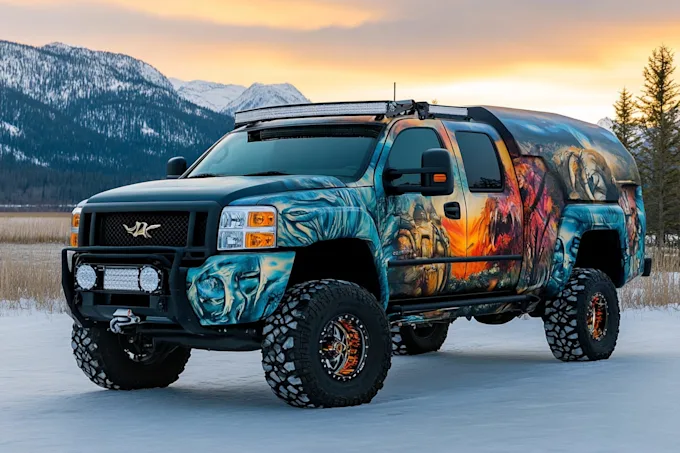
A vehicle can be many things at once: a way to get from one place to another, a reflection of personal taste, or a moving advertisement that reaches people throughout the day. For businesses, that last role can be surprisingly valuable. A well-designed vehicle wrap turns an ordinary van, truck, or company car into a recognizable part of the brand. But behind every impressive wrap is a combination of thoughtful design, reliable materials, and printing that can handle the demands of real life.
The process is more involved than simply choosing a color and putting a logo on a vehicle. From selecting the right film to preparing artwork and ensuring accurate installation, each decision affects the final result. When these details are handled properly, vehicle graphics can look professional, remain readable, and support a business for years.
The Role of Printing in Vehicle Wrap Design
Vehicle wraps often include more than a solid color. Logos, photographs, illustrations, contact details, patterns, and promotional messages may all need to be reproduced across curved and irregular surfaces. That makes print quality especially important.
Unlike a flat poster, a vehicle graphic has to work around doors, handles, windows, panel gaps, and body contours. A small design flaw that goes unnoticed on a computer screen can become obvious once the artwork is stretched across a large surface. Colors need to remain consistent, text should be legible from a reasonable distance, and images must retain enough detail to look sharp.
This is where high-performance printing becomes valuable. Advanced printing equipment and carefully managed production processes can help create detailed, vibrant graphics that are suitable for demanding applications. Good printing isn’t only about making colors look bright. It also involves choosing appropriate inks, controlling resolution, managing color profiles, and producing artwork that works with the selected wrap material.
A strong print begins with a strong file. Low-resolution images, poorly prepared logos, and incorrect dimensions can limit the result no matter how capable the printer is. Businesses should provide vector logos whenever possible and review full-scale proofs before production.
Choosing the Right Wrap Film
The film itself is just as important as the printed design. A wrap may look beautiful on installation day, but it also needs to cope with sunlight, changing temperatures, road dust, rain, and regular cleaning. The wrong material can lead to fading, cracking, bubbling, or lifting edges.
Different projects call for different types of films. Cast vinyl is commonly preferred for complex vehicle surfaces because it can conform more effectively to curves and contours. Calendared films may be suitable for certain flatter applications or shorter-term projects, depending on the product and conditions.
When comparing premium wrap films, it’s worth looking beyond the initial appearance. Consider the film’s conformability, adhesive technology, expected outdoor durability, finish options, and manufacturer warranty. A reputable material may cost more upfront, but the added reliability can make a difference over the life of the wrap.
Finish also changes the personality of a vehicle. Gloss films create a polished, reflective appearance. Matte finishes offer a quieter, modern look, while satin sits somewhere between the two. Metallic and textured options can add depth, but they may require more careful maintenance and installation.
Color Accuracy Is More Complicated Than It Looks
Color seems simple until you try to reproduce the same shade across different materials. A brand’s signature blue, red, or green needs to look consistent whether it appears on a website, business card, storefront, or vehicle. Yet screens, printers, lighting conditions, and film surfaces can all affect how color is perceived.
This is why custom color matching can be an important part of professional wrap production. It involves adjusting the print or selecting a suitable film color to achieve a closer visual relationship with an existing brand standard or a specific design reference.
Perfect matching isn’t always possible because different surfaces reflect light differently. A printed film may not look exactly like painted metal, even when the color values are carefully adjusted. The goal is to achieve a consistent and visually convincing result under realistic viewing conditions.
Businesses with established brand guidelines should share their approved color references with the wrap provider. If possible, reviewing physical samples is better than relying only on a digital preview. A sample viewed outdoors or under the lighting where the vehicle will normally be seen can reveal differences that a monitor hides.
Designing Graphics That Work on Moving Vehicles
A vehicle wrap has only a few seconds to communicate. People may see it while walking past, waiting at a traffic signal, or driving behind it. That means the design needs to be clear without becoming boring.
A common mistake is trying to fit too much information onto the vehicle. Long paragraphs, tiny phone numbers, multiple slogans, and several competing images can make the design difficult to understand. A better approach is to establish a clear visual hierarchy.
The company name or logo should be easy to identify. The main service or message should be brief. Contact information should be readable, but it doesn’t need to dominate the entire design. Strong contrast, generous spacing, and a limited color palette often make a greater impact than excessive decoration.
The shape of the vehicle matters, too. A design created for a box truck may not translate directly to a curved sports car or a compact delivery van. Important text should avoid areas that may be interrupted by handles, hinges, wheel arches, or panel seams.
Installation Is Where the Design Becomes Real
Even excellent artwork and high-quality film can produce a poor result if installation is rushed. Before wrapping begins, the vehicle should be cleaned thoroughly and inspected for dents, rust, peeling paint, or previous repairs. These conditions can affect adhesion and may become more visible under the film.
Experienced installers understand how to position graphics across panels and manage difficult contours. They also know where seams can be placed discreetly and how much the material can be stretched without distorting the design.
Temperature and workspace conditions matter as well. Dust, moisture, and extreme temperatures can complicate the application process. A clean, controlled environment gives the installer a better chance of achieving smooth coverage and properly finished edges.
For businesses, it’s worth asking about the installer’s portfolio, preparation process, warranty terms, and aftercare recommendations. A professional finish is not just about how the vehicle looks from a distance. Edges, corners, seams, and small details often reveal the quality of the work.
Maintaining the Wrap After Installation
A vehicle wrap needs care, although maintenance is usually straightforward when the correct methods are followed. Regular gentle washing helps remove dirt and road grime before they build up. Harsh chemicals, abrasive brushes, and overly aggressive pressure washing can damage the film or weaken its edges.
Whenever possible, follow the material manufacturer’s cleaning recommendations. Parking in a garage or shaded area can also help reduce prolonged exposure to intense sunlight. If a section begins to lift or show damage, addressing it early may prevent the problem from spreading.
It’s also important to understand that wraps have a service life. Durability depends on the film, climate, exposure, vehicle use, and maintenance habits. No wrap remains perfect forever, but proper care can help preserve its appearance and value.
A Smart Investment in Brand Visibility
Vehicle graphics are often one of the most visible forms of local advertising a business can use. A branded vehicle travels through neighborhoods, visits customer locations, and creates repeated exposure without requiring a separate advertising placement every time it moves.
The best results come from treating the wrap as both a design project and a practical investment. High-quality printing helps bring the artwork to life. Suitable film supports durability. Accurate color and thoughtful layout strengthen brand recognition. Professional installation ties everything together.
In the end, a successful wrap doesn’t need to shout to be effective. It needs to be clear, well-made, and consistent with the business it represents. When those elements come together, even a simple vehicle can become a memorable part of a company’s everyday presence.