Category: Entertainment

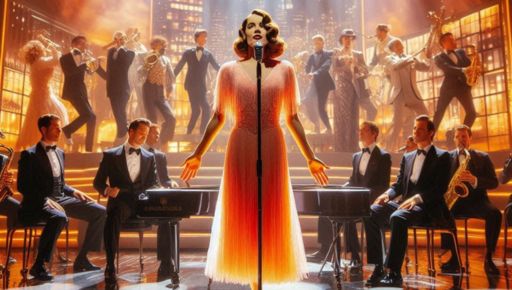
  • Binge-Worthy Music Shows: Must-Watch Series for Music Lovers

    Binge-Worthy Music Shows: Must-Watch Series for Music Lovers

    If you’re someone who lives and breathes music, then TV shows that combine great storytelling with unforgettable tunes are the ultimate binge-watching experience. Whether it’s fictional dramas about the lives of musicians or documentary series that dig deep into music history, there’s no shortage of shows to feed your inner audiophile. From high-energy performances to behind-the-scenes moments, these music-centered series offer something special for every fan.

    Let’s dive into some of the best TV shows that put music front and center, perfect for your next binge-watch session.

    Glee: High School Harmony with a Side of Drama

    No list of music shows would be complete without Glee. This hit series took the world by storm in 2009, combining pop hits with high school drama in a way that was both hilarious and heartfelt. The show follows a group of misfit students in a high school glee club as they navigate relationships, identity, and the pressures of teenage life—all while delivering powerful musical performances.

    Each episode of Glee is packed with renditions of songs from every genre imaginable, from classic rock to Broadway showstoppers. It’s the kind of show where you’ll find yourself humming along to the latest performance and waiting to see which hit song they’ll tackle next. The balance between humor and serious topics made Glee not just a musical series but a cultural phenomenon.

    Whether you’re here for the mashups, the emotional ballads, or just the pure high school chaos, Glee offers a little something for everyone.

    Empire: Music, Power, and Family Drama

    If you’re into drama with a backdrop of the music industry, Empire is a must-watch. Starring Terrence Howard as Lucious Lyon, a music mogul who runs Empire Entertainment, this show is packed with power struggles, family feuds, and, of course, original music that fuels the plot.

    One of the highlights of Empire is its original soundtrack. The show’s music, produced by Timbaland and other industry heavyweights, blends hip-hop, R&B, and pop to create tracks that feel fresh and dynamic. Each episode is infused with performances that feel real and part of the characters’ journey, from gritty studio sessions to larger-than-life stage moments.

    With its mix of cutthroat business tactics and catchy music, Empire is perfect for anyone who loves a juicy drama paired with unforgettable beats.

    The Get Down: A Glimpse into the Birth of Hip-Hop

    For a show with a mix of music history and storytelling, The Get Down on Netflix is a must-see. Set in the Bronx during the late 1970s, the series explores the early days of hip-hop and disco through the eyes of a group of teenagers trying to make it in a world of breakdancing, DJ battles, and graffiti art.

    Created by Baz Luhrmann, The Get Down is visually stunning and filled with vibrant music that reflects the era’s spirit. The show not only features original hip-hop tracks but also dives into the influence of disco, soul, and funk during that period. The characters’ passion for music is contagious, and the performances will make you want to throw on your favorite vinyl and dance.

    If you’re curious about the roots of hip-hop culture and love stories with a killer soundtrack, The Get Down is a perfect fit.

    Daisy Jones & The Six: Rock ‘n’ Roll and Heartbreak

    Based on the best-selling novel by Taylor Jenkins Reid, Daisy Jones & The Six is a fictional series that chronicles the rise and fall of a 1970s rock band. The story is told in a documentary style, complete with interviews from the band members as they reflect on their turbulent journey to stardom.

    What makes this show stand out is its rock ‘n’ roll authenticity. The music feels raw and reminiscent of iconic bands from the 70s, with themes of fame, love, and betrayal intertwined with guitar riffs and soaring vocals. The soundtrack alone is enough to keep you hooked, but the drama between the bandmates adds layers of depth and emotion.

    If you’re a fan of rock history and love a good behind-the-scenes story, Daisy Jones & The Six will hit all the right notes.

    Song Exploder: The Stories Behind the Songs

    For something a bit different, check out Song Exploder on Netflix. Based on the popular podcast of the same name, this series takes a deep dive into how iconic songs were created. Each episode features a different artist breaking down one of their hits, explaining the creative process, inspiration, and challenges behind the music.

    From Alicia Keys to Lin-Manuel Miranda, the series gives viewers a rare look at what goes into making a song truly special. It’s a fascinating glimpse into the minds of artists, and whether you’re a musician or just a fan, Song Exploder will give you a newfound appreciation for the craft.

    It’s a perfect binge for anyone curious about the magic that happens behind the music we love.
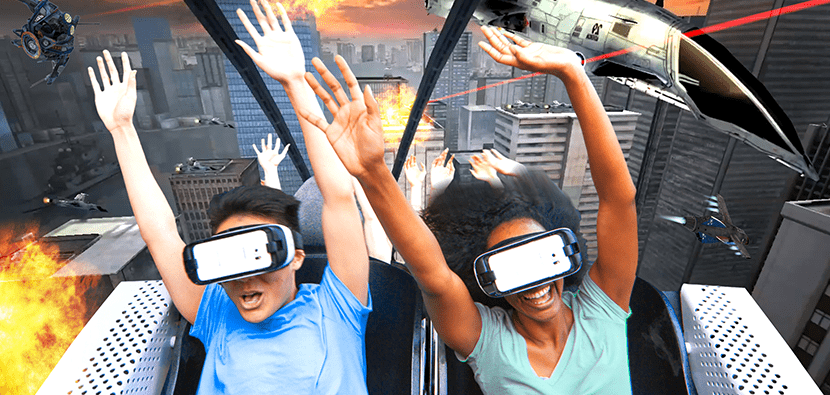
  • Exploring Virtual Reality Entertainment: What’s on the Horizon

    Exploring Virtual Reality Entertainment: What’s on the Horizon

    Virtual reality (VR) has opened up new frontiers in entertainment, offering immersive and interactive experiences. In this article, we’ll explore the world of VR entertainment, its applications, and what the future holds for this transformative technology.

    Introduction:
    Virtual reality (VR) has unlocked a realm of possibilities in the world of entertainment, revolutionizing the way we experience games, films, and interactive narratives. It’s a technology that immerses users in digital worlds, blurring the lines between reality and the virtual. Let’s embark on a journey to explore the exciting world of VR entertainment and what’s on the horizon:

    1. Immersion and Presence:
      VR provides an unparalleled sense of immersion and presence, allowing users to feel like they are physically present in a digital environment.
    2. Gaming in VR:
      VR gaming offers an entirely new level of interactivity, with players physically engaging with the game world through motion controllers and haptic feedback.
    3. Cinematic VR:
      Cinematic experiences in VR transport users to the center of the action, offering 360-degree views and interactive storytelling.
    4. Virtual Tours and Travel:
      VR enables virtual tours and travel experiences, allowing users to explore real-world locations and historical sites from the comfort of their homes.
    5. Education and Training:
      VR is increasingly used in education and training, offering immersive simulations and hands-on learning experiences.
    6. Social VR:
      Social VR platforms connect users from around the world in virtual spaces, allowing for real-time interaction and collaboration.
    7. Healthcare and Therapy:
      VR has therapeutic applications, from pain management to treating phobias and post-traumatic stress disorder.
    8. Challenges of VR:
      VR faces challenges such as motion sickness, high hardware costs, and the need for compelling content.
    9. The Future of VR:
      The future of VR holds promises of more accessible and powerful hardware, enhanced content, and innovative applications in various industries.
    10. The Impact of Augmented Reality (AR):
      AR, a related technology, blends digital content with the real world, offering new opportunities for entertainment and practical applications.

    Case Study: Oculus Quest 2

    The Oculus Quest 2 is a popular VR headset that offers a wireless and standalone VR experience. Its affordability and growing library of games have made VR more accessible to a broader audience.

    Conclusion:
    Virtual reality is not just a technological advancement; it’s a paradigm shift in how we engage with entertainment and digital experiences. As VR technology continues to evolve, the possibilities for entertainment are boundless.

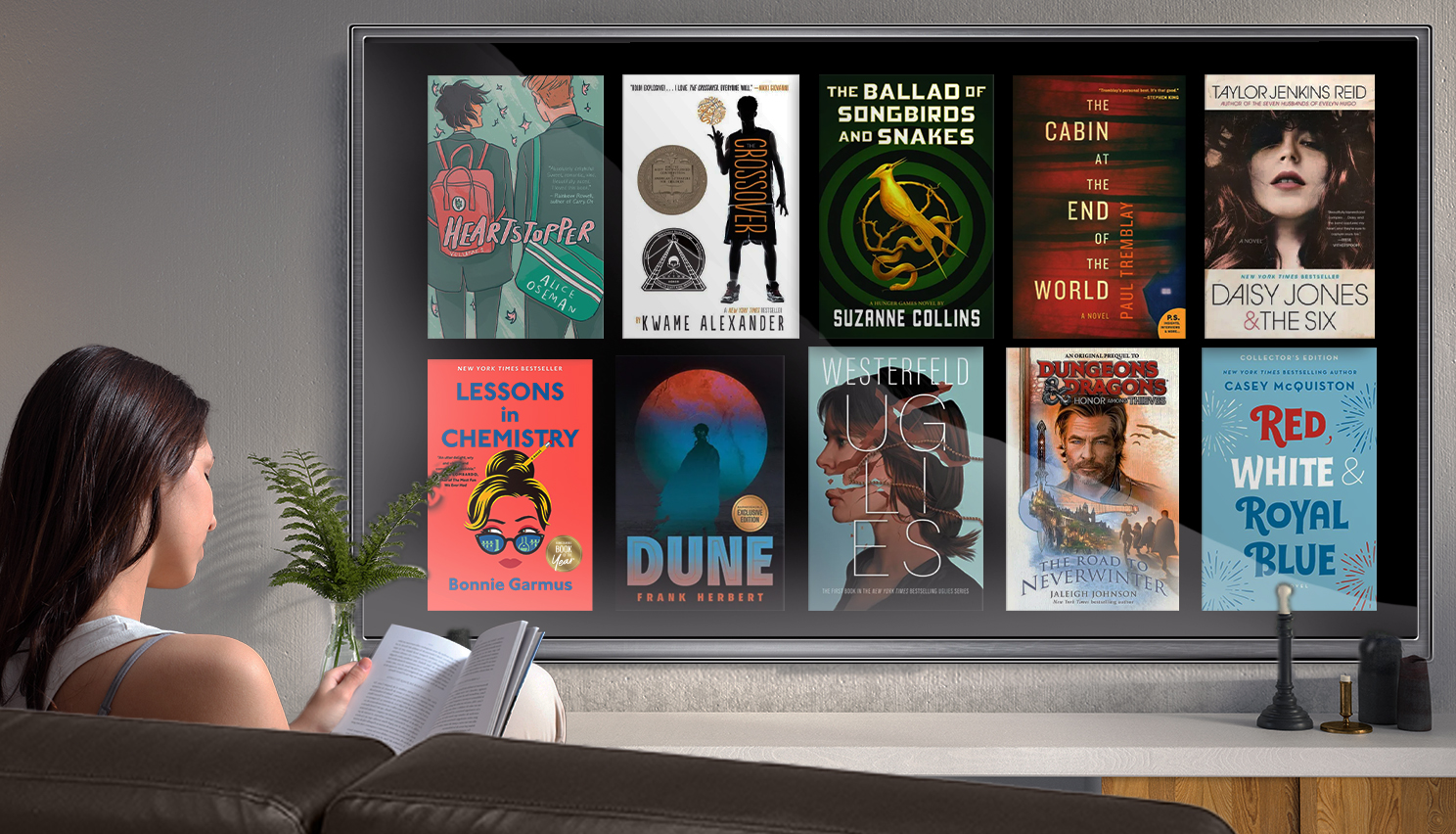
  • From Page to Screen: Adapting Books into Movies and TV Series

    From Page to Screen: Adapting Books into Movies and TV Series

    The adaptation of books into movies and TV series is a longstanding tradition in the entertainment industry. In this article, we’ll explore the process of bringing literature to the screen, the challenges it poses, and the impact on both mediums.

    Introduction:
    Adapting books into movies and TV series has been a practice as old as cinema itself. It allows audiences to experience beloved stories in a new way and introduces literature to those who might not have encountered it otherwise. Let’s dive into the intricate process of adapting books into screenplays and explore the challenges and rewards of this practice:

    1. Faithful Adaptation:
      The challenge of faithfully translating a book’s narrative, characters, and themes to the screen while considering time constraints.
    2. Condensation and Omission:
      Adaptations often require condensing a book’s content and omitting certain subplots or characters to fit within a movie or series runtime.
    3. Creative Interpretation:
      Filmmakers and screenwriters must creatively interpret the source material, making choices to enhance the cinematic experience.
    4. Visual Storytelling:
      Movies and TV series offer a different mode of storytelling, relying on visuals, dialogue, and pacing to convey the narrative.
    5. Casting and Characterization:
      Selecting the right actors and actresses is crucial in bringing book characters to life.
    6. Aesthetic and Cinematography:
      Visual elements, including cinematography, set design, and costumes, play a pivotal role in capturing the essence of the book.
    7. Fan Expectations:
      Adaptations often face high expectations from fans of the source material, who closely scrutinize every creative decision.
    8. Successful Adaptations:
      Some adaptations, like “The Lord of the Rings” and “Game of Thrones,” have achieved critical and commercial success.
    9. Book-to-Screen Trends:
      Adaptations have diversified in recent years, encompassing not only novels but also comics, graphic novels, and even podcasts.
    10. The Impact on Literature:
      Successful adaptations can boost book sales and introduce literature to new readers.

    Case Study: “Harry Potter” Series

    The “Harry Potter” book series by J.K. Rowling was adapted into a successful film franchise. While not every detail made it to the screen, the movies captured the magic and essence of the books, introducing the wizarding world to a wider audience.

    Conclusion:
    Adapting books into movies and TV series is a complex and multi-faceted process that requires creativity, fidelity, and an understanding of the unique strengths of both mediums.

  • The Art of Cosplay: A Creative Outlet for Pop Culture Enthusiasts

    The Art of Cosplay: A Creative Outlet for Pop Culture Enthusiasts

    Cosplay, the practice of dressing up as characters from pop culture, has become a global phenomenon. In this article, we’ll explore the art of cosplay, its cultural significance, and how it provides a creative outlet for enthusiasts.

    Introduction:
    Cosplay, short for “costume play,” is more than just dressing up as fictional characters; it’s a form of self-expression, art, and community. Pop culture enthusiasts around the world engage in this creative hobby, celebrating their favorite characters from movies, TV shows, video games, and more. Let’s explore the art of cosplay and its cultural significance:

    1. A Creative Outlet:
      Cosplay serves as a creative outlet for individuals to design and create costumes, props, and accessories.
    2. Celebration of Fandom:
      Cosplayers express their love for specific fandoms and characters, contributing to the vibrant fan community.
    3. Attention to Detail:
      Cosplayers pay meticulous attention to detail, ensuring that their costumes and props accurately replicate the characters they admire.
    4. Building Communities:
      Cosplay conventions and online communities provide spaces for cosplayers to connect, share tips, and collaborate on group cosplays.
    5. Self-Confidence and Empowerment:
      Cosplay can boost self-confidence and empower individuals by allowing them to step into the shoes of beloved characters.
    6. Craftsmanship and Skill Development:
      Creating complex costumes and props requires various skills, from sewing and prop-making to makeup and wig styling.
    7. Diversity and Inclusivity:
      Cosplay is an inclusive hobby, welcoming participants of all backgrounds, genders, and skill levels.
    8. Charity and Fundraising:
      Cosplayers often use their passion to raise funds for charitable causes, making a positive impact on their communities.
    9. Cosplay Photography:
      Cosplay photography captures the artistry and dedication of cosplayers, with professional photographers often specializing in this niche.
    10. Challenges and Controversies:
      Cosplay has faced challenges and controversies, including issues related to cultural sensitivity, harassment, and body image.

    Case Study: “Cosplay Culture”

    The documentary “Cosplay Culture” explores the world of cosplay, featuring interviews with cosplayers, photographers, and costume designers. It showcases the artistry and passion that drive the cosplay community.

    Conclusion:
    Cosplay is a dynamic and creative subculture that celebrates the love of pop culture, encourages self-expression, and provides a sense of belonging in a diverse and inclusive community.

  • The Golden Age of Television: Notable Series That Shaped TV History

    The Golden Age of Television: Notable Series That Shaped TV History

    Television has witnessed a golden age marked by groundbreaking series that have redefined storytelling and captivated audiences. In this article, we’ll explore the notable series that shaped TV history and left a lasting impact on the medium.

    Introduction:
    The golden age of television has given rise to some of the most iconic and innovative series in the history of the medium. From the advent of streaming services to the proliferation of complex storytelling, television has undergone a remarkable transformation. Let’s delve into the notable series that have defined this era and influenced TV history:

    1. “The Sopranos” (1999-2007):
      “The Sopranos” is often credited with ushering in the golden age of television. This crime drama explored the life of mob boss Tony Soprano, providing a complex and introspective character study.
    2. “Breaking Bad” (2008-2013):
      Walter White’s transformation from a high school chemistry teacher to a ruthless drug lord in “Breaking Bad” is a testament to the power of character development and storytelling.
    3. “Game of Thrones” (2011-2019):
      Based on George R.R. Martin’s “A Song of Ice and Fire” series, “Game of Thrones” redefined epic fantasy on television, combining intricate politics and fantasy elements.
    4. “The Wire” (2002-2008):
      “The Wire” is celebrated for its exploration of the city of Baltimore, offering a deep dive into various institutions and social issues.
    5. “Friends” (1994-2004):
      A beloved sitcom that remains popular even years after its conclusion, “Friends” is a testament to the enduring power of humor and camaraderie on television.
    6. “Stranger Things” (2016-present):
      “Stranger Things” is a modern phenomenon that draws inspiration from ’80s pop culture while delivering a gripping narrative filled with supernatural elements.
    7. “Black Mirror” (2011-present):
      “Black Mirror” is an anthology series that examines the dark side of technology and society, offering thought-provoking and often unsettling stories.
    8. “The Crown” (2016-present):
      A historical drama that delves into the reign of Queen Elizabeth II, “The Crown” offers a regal and meticulously crafted storytelling experience.
    9. “The Marvelous Mrs. Maisel” (2017-present):
      This comedy-drama celebrates the journey of Midge Maisel as she discovers her talent for stand-up comedy in the 1950s.
    10. “The Mandalorian” (2019-present):
      A part of the “Star Wars” universe, “The Mandalorian” combines the epic space opera with a more intimate, character-driven narrative.

    Case Study: “Breaking Bad”

    “Breaking Bad” stands out as a prime example of a series that redefined the medium. It garnered critical acclaim, developed complex characters, and showcased the power of moral ambiguity in storytelling.

    Conclusion:
    The golden age of television has produced an array of series that have shaped the medium, pushing the boundaries of storytelling, character development, and audience engagement.

  • Comedy in Crisis: The Changing Landscape of Stand-up Comedy

    Comedy in Crisis: The Changing Landscape of Stand-up Comedy

    Stand-up comedy is an art form that has evolved and adapted to changing cultural norms and technology. In this article, we’ll explore the changing landscape of stand-up comedy, its role in addressing societal issues, and its enduring appeal.

    Introduction:
    Stand-up comedy, the art of making people laugh through humorous observations and storytelling, has witnessed a dynamic evolution over the years. Comedians have adapted to changing times and addressed societal issues, making stand-up comedy a potent form of commentary and entertainment. Let’s delve into the changing landscape of stand-up comedy:

    1. The Roots of Stand-up Comedy:
      Stand-up comedy has its origins in vaudeville and burlesque shows, with comedians taking center stage to entertain audiences with humor.
    2. Social Commentary:
      Comedians often use their platform to address contemporary societal issues, offering commentary and critique with humor.
    3. Diversity and Inclusion:
      Stand-up comedy has become more diverse, with comedians from different backgrounds sharing their unique perspectives and experiences.
    4. Streaming Platforms and Specials:
      Streaming platforms like Netflix have given comedians a global stage, allowing them to reach broader audiences with comedy specials.
    5. Controversy and Cancel Culture:
      Comedy has been affected by controversies and the phenomenon of cancel culture, with comedians facing consequences for offensive material.
    6. Live Comedy:
      Live comedy shows and stand-up performances remain a vibrant part of the entertainment industry, with comedians connecting with audiences in person.
    7. The Role of Technology:
      Technology has influenced the creation and distribution of comedy, with comedians using social media to build their brands.
    8. Iconic Comedians:
      Throughout history, iconic comedians like George Carlin, Richard Pryor, and Joan Rivers have left indelible marks on the world of stand-up comedy.
    9. The Future of Comedy:
      Stand-up comedy continues to evolve, with new voices, styles, and perspectives emerging in response to the ever-changing world.
    10. Laughter as a Universal Language:
      Laughter is a universal language that transcends cultural boundaries, making stand-up comedy relatable and enjoyable worldwide.

    Case Study: Dave Chappelle

    Dave Chappelle is a contemporary comedian known for addressing societal issues with humor. His comedy specials, like “Sticks & Stones,” have sparked discussions about free speech and cancel culture.

    Conclusion:
    Stand-up comedy remains a dynamic and influential art form, offering a unique platform for comedians to entertain, provoke thought, and address societal issues with humor.